

Don’t lose your marbles: American games at the turn of the century
Photo by Nick Fewings on Unsplash
March 2026
Everything Old
Don’t lose your marbles: American games at the turn of the century
by Corbin Crable
Get your favorite cat’s eye polished, because in this issue of Discover Vintage America, we’ll be doing a deep dive into the history of marbles (and, in case you didn’t know, the phrase “lose my marbles” in reference to losing one’s mental faculties, originated in the late 19th century, about the same time as glass marbles themselves). But before we do, let’s take a quick look at other popular American games in the late 19th and early 20th centuries.
As work hours decreased in the 19th century, Americans began being able to enjoy a bit more free time. During the Civil War, board games began to fill that gap, taking the nation’s collective mind off the conflict at home. The machinery developed in factories during the Industrial Revolution allowed for more board games to be produced – and with increased speed of production, those games became more affordable to the average American family (in the decades following the war, physical activity options increased as well, with basketball being invented by Dr. James Naismith in 1891). Checkers, chess, dominoes, and backgammon were widely popular.
One might consider the second half of the 19th century to be the golden age of board games, in fact, with the earlier games based on Christian themes of morality and faith; others still were based on nursery rhymes and fables. With the Gilded Age, meanwhile, came board games that placed a focus on building material wealth.
Other games of the late Victorian era were designed to refine one’s habits and behavior in a civilized world. For instance, card games made to help young men and women in the early stages of courting were equipped with topics of conversation to be used as icebreakers, taking some of the awkwardness out of dating and helping the players to become more witty and even flirtatious.
In popular culture, the game Hoop and Stick endures as a symbol of a 19th-century child’s limited, boredom-inducing options for play; in the late 1800s, however, it was popular with America’s children.d across the U.S.).
The idea, of course, was simple – keep a large metal hoop upright by pushing it with a stick. It was cost-effective and simple.
Meanwhile, the toys made for children during these years were meant for children to mimick the tasks in which they would engage as adults. Boys, for instance, might play smaller versions of farming tools or toy tractors, while girls cared for baby dolls and cooked imaginary meals on a small cast iron stovetop. Again, these toys and more were made more affordable to families thanks to the technological innovations born from the Industrial Revolution.
Still, sometimes the most simple toys are best, and the continued popularity of marbles stands as proof positive of that theory. Throughout the centuries, whether made of clay or glass, they’re still highly coveted collectibles – and, like other toys of yesteryear, very affordable, too. As temperatures rise in anticipation of summer, now’s the time to dig out your bag of marbles, play a spirited game, and relive your glory days as a marble master. There’s no better time to take your shot.
Contact Corbin Crable at editor@discovervintageamerica.com

Goodbye to a longtime colleague
Photo by Christelle BOURGEOIS on Unsplash July 2023 Everything Old Goodbye to a longtime colleague by Corbin Crable Honor to dedicate this issue to … Just because we know that death is a part of life, that acknowledgment never makes that loss any easier when it…

Anniversary is a time to remember days, people past
Photo by Lucas Law on Unsplash June 2023 Everything Old Anniversary is a time to remember days, people past by Corbin Crable 50th anniversary This year includes a couple of very special occasions that are near and dear to my heart. The first, we’ll celebrate with all…

Good luck finding these long-gone jobs
Photo by Leon Seibert on Unsplash May 2023 Everything Old Good luck finding these long-gone jobs by Corbin Crable Gas Station Attendants It’s about that time of year when people pack their bags, gas up their cars, and hit the road on a summer vacation or road trip….

Bring on the bunnies
Apr 2023 Everything Old Bring on the bunnies by Corbin Crable Easter Sunday is coming up quickly, on Sunday, April 9, and if you live in Kansas City or are at least from here, that can mean only one thing – a trip to the Country Club Plaza to see the Easter…
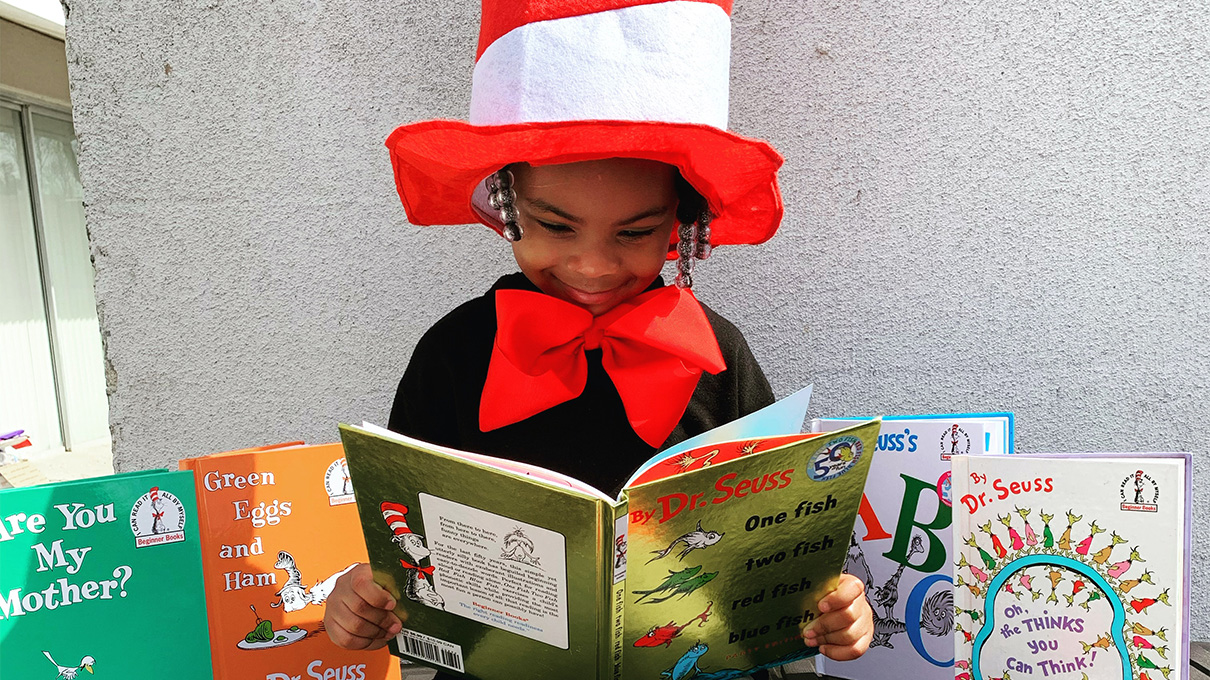
Turn the page on old reading habits
Photo by Catherine Hammond on Unsplash Mar 2023 Everything Old Turn the page on old reading habits by Corbin Crable March is National Reading Month, and with it comes a greater awareness of the benefits of reading. Established to honor Dr. Seuss, one of the…

How to finally keep your new year’s resolution
Photo by Tim Mossholder on Unsplash Jan/Feb 2023 Everything Old How to finally keep your new year’s resolution by Corbin Crable Keeping your Resolutions How are you doing on keeping your resolutions for the new year so far? Still going strong? Or maybe you’ve…