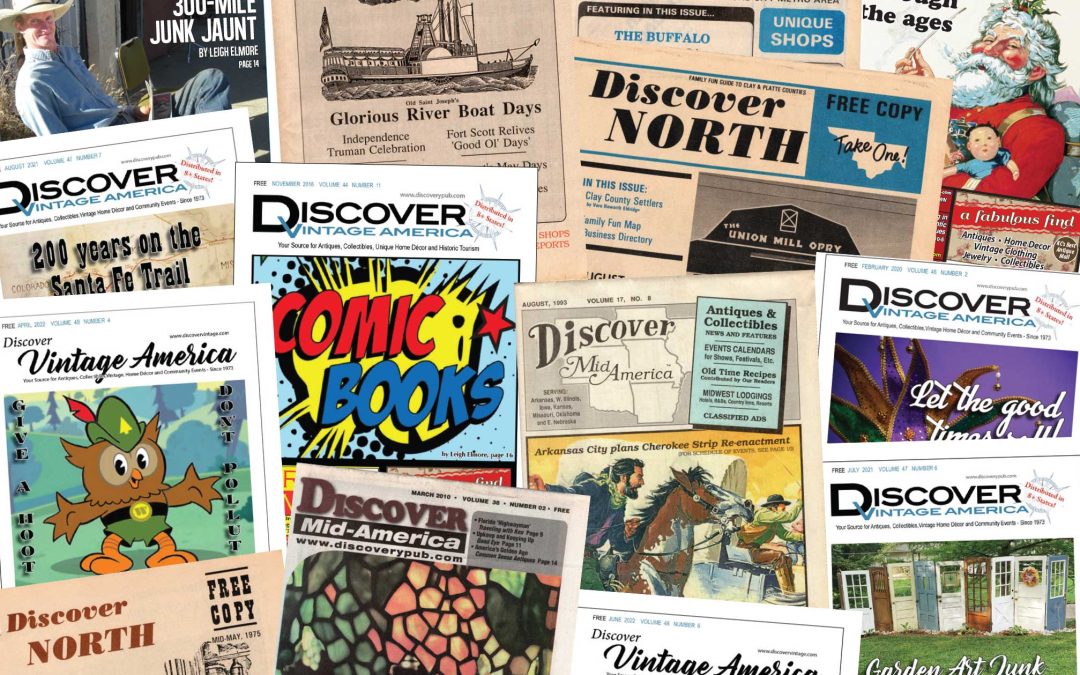
Fifty years of ‘Discovering’  began with a modest ‘guide’

Fifty years of ‘Discovering’ began with a modest ‘guide’

Discovering front page images collage by Patti Klinge

August 2023

Cover Story

Fifty years of ‘Discovering’ began with a modest ‘guide’

by Ken Weyand

After spending a decade as a copywriter (and later copy chief) in the advertising art department of The Kansas City Star, I had decided to branch out on my own. A business partner had laid the groundwork for an aviation publication that I would edit, offering me the chance to combine a love of history with an equal fondness for writing. The effort was to be financed by an insurance executive from Texas, who saw the publication as a “house organ” for his business.

But the “insurance executive” failed to materialize. According to my business partner, his plane had crashed on the way to Kansas City, but that story never checked out. My business partner and I parted ways. Other alternatives were discussed, but I eventually found myself on my own.
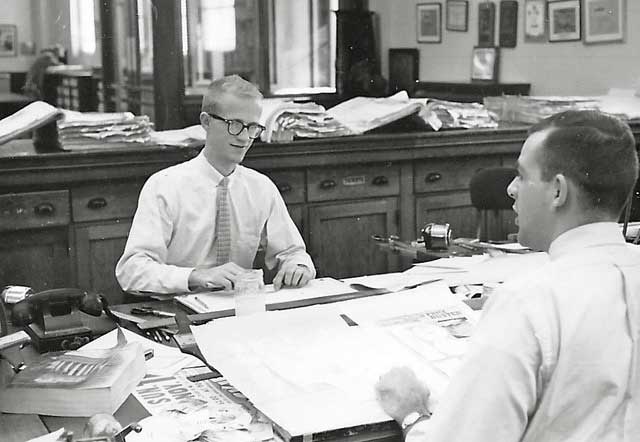
ken at KC Star

Ken Weyand at The Kansas City Start

Ken Weyand and unidentified co-worker in the early 1960’s, when he worked at The Kansas City Star.

My next move involved a partnership with a Kansas newspaperman, Murrel Bland, who published a popular weekly in Wyandotte County. Together we bought a small weekly in Platte County, MO with a 2nd class mailing permit, making it the “official paper” for legal notices. The Platte Suburban Views was edited by Francis Williams, a veteran newspaperman. Its editorial headquarters was a small post office in Ferrelview, MO, where Williams’ wife was the Postmistress.

Part of my partnership involved helping Murrel produce his weekly (along with another paper in Leavenworth County that he had a relationship with) as well as working to make our mutual Platte County project succeed. To enhance our paper, I hit upon the idea of a “history insert” that could be picked up from store counters, but would also be used as an insert, and serve as a bonus for subscribers. Williams would help with the editorial content, as would other writers, including Vera Haworth Eldridge, a Liberty resident who contributed many history pieces about both counties over the years.
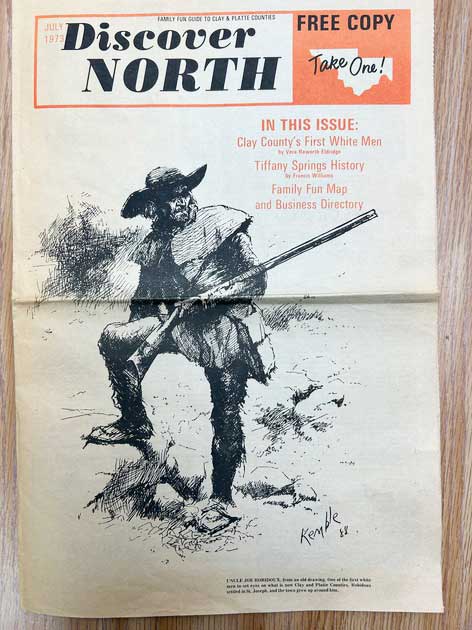
Discover NORTH front cover
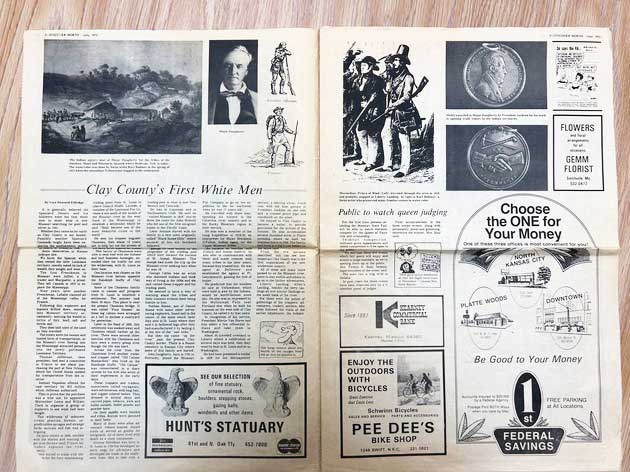
Discover NORTH

The first edition of Discover North

The first edition of Discover North

Where it all began - July 1973 - The first edition of Discover North.

The first issue, Discover North, featured a crudely drawn “Family Fun Map” centerfold, showing museums, historic sites, and local points of interest in Platte and Clay counties. The eight-pager made its debut in August 1973.

For a time, everything went well, with Discover North developing into a productive part of our publishing efforts. But the weekly “Views” failed to prosper, and Murrel and I eventually went our separate ways. It was an amicable split, with Murrel publishing a version of “Discover North” as a historical supplement to his Kansas paper. After a couple of years, my version continued on its own, adding pages here and there, and new advertisers, many of whom became faithful backers of the little publication, known to most as just “Discover.”
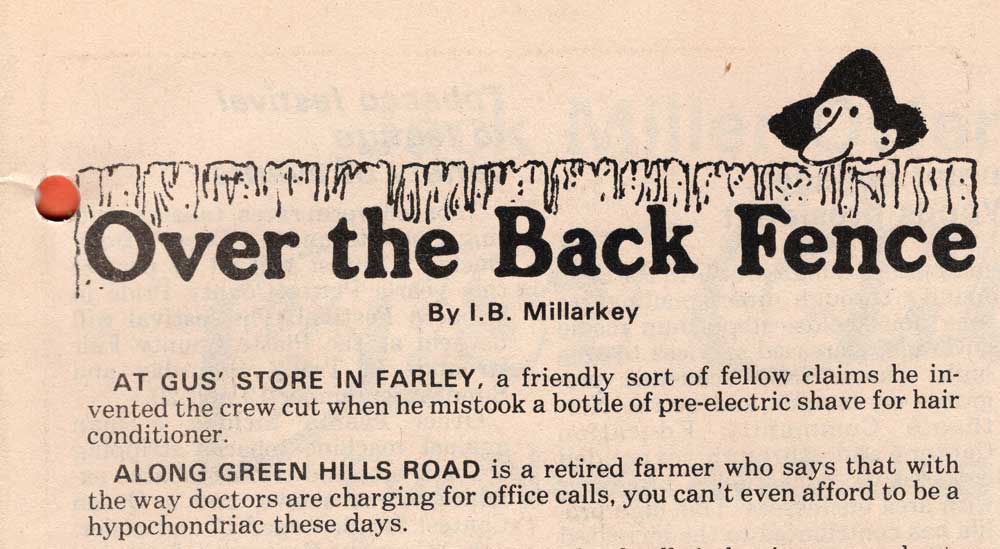
 

I. B. Millarkey’s column

I. B. Millarkey’s column

I. B. Millarkey’s column kept readers entertained for years.
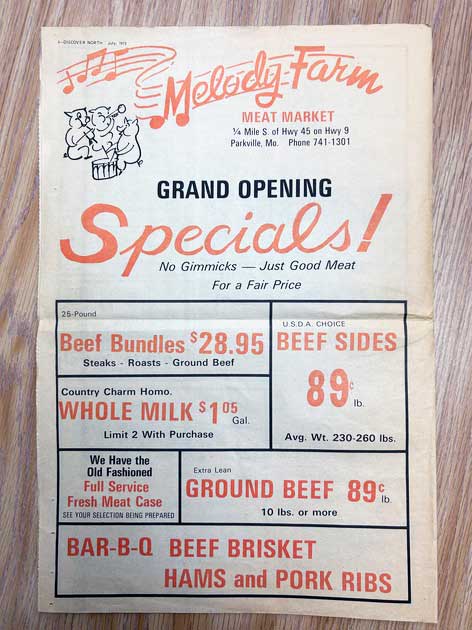
Meat prices have gone up a bit since 1973!

Meat prices in 1973

Meat prices have gone up a bit since 1973!

Although I wore many hats and did a lot of the necessary writing, production work, and distribution, the paper would never have succeeded had it not been for many enthusiastic contributors. Vera Eldridge continued to contribute articles, along with Francis Williams, Delphia Stubbs, and others. They were joined by David Short, Kathleen Spindler, Mary Flanagan, Kathy Gripka, Mike Wardrop, Lynn Cassity, Dr.R.J. Felling, John Warner, Dwight Moody, Mildred S. Burns, Norma Rouse, Betty Laverty, Dorothy Dean, Rilla Simmons, and several others over the years.

One of the regular columns was a humor piece titled “Over the Back Fence.” Its author was “I.B.Millarkey,” ghost-written by Francis Williams. Loaded with country humor, it was full of satire and tongue-in-cheek witticisms. Occasionally it prompted editorial letters, some of which took offense at the writer’s opinions, apparently unaware that “I.B. Millarkey” was a pseudonym.

Over the years, the paper experimented with different editorial approaches, including a recipe section, featuring contributed material. Those who submitted published recipes would get a free subscription. This became complicated when a resident of Australia submitted an outback recipe, having received the paper from a pilot with Qantas Airlines. I remember that recipe called for a very expensive subscription.

Two books were printed, combining contributed recipes with local history. Both were published under the heading, “The Woodsmoke Series,” and were titled “Recipes & Stories of Early-Day Settlers.” The first was published in 1988. The second book consisted of stories relating to settlers’ “Steamboat Adventures,” and was published in 1991. Both books sold well, and also were used as subscription incentives.

After the first book came out, James J. Fisher, a columnist for The Kansas City Star, wrote in his column, “The Midlands,” about the book. In his review, he cited one of the book’s most unusual recipes, “How to Cook a Skunk,” submitted by Maxine Adams, from Fulton, MO. Adams had coaxed the recipe from her grandfather, a Civil War veteran.

For several years, Betty Soper, long-time president of the Platte County Historical Society, published a column, “Genealogy Queries,” answering questions about ancestry issues. The Society’s offices also have been a long-time repository of back issues of Discover North.
During the paper’s first decade, it became apparent that antique and collectible shops and malls were among its most enthusiastic supporters. Rather than being competitive with other businesses, antique shops found they could prosper by supporting each other, and promoting their town as an “antiquing destination.” As a result, the paper was able to grow, adding advertisers in small towns outside the original Clay-Platte market area.

The first expansion took the paper south of the Missouri River and into Kansas City and Independence. Other areas quickly followed. Eventually, separate editions extended the paper’s reach into surrounding states. The idea of multiple editions eventually was abandoned due to printing complexity, and by the early 2000s the new Discover Mid-America had reached readers in nine Midwestern states.
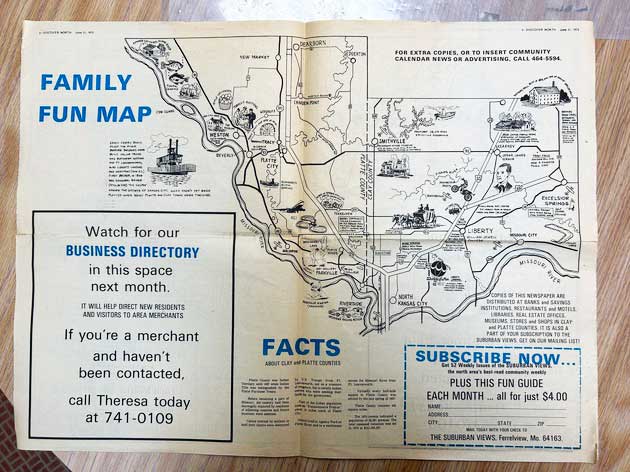
“Family Fun Map”

“Family Fun Map”

The “Family Fun Map” was a regular feature in the early editions.
Art Deco fashion

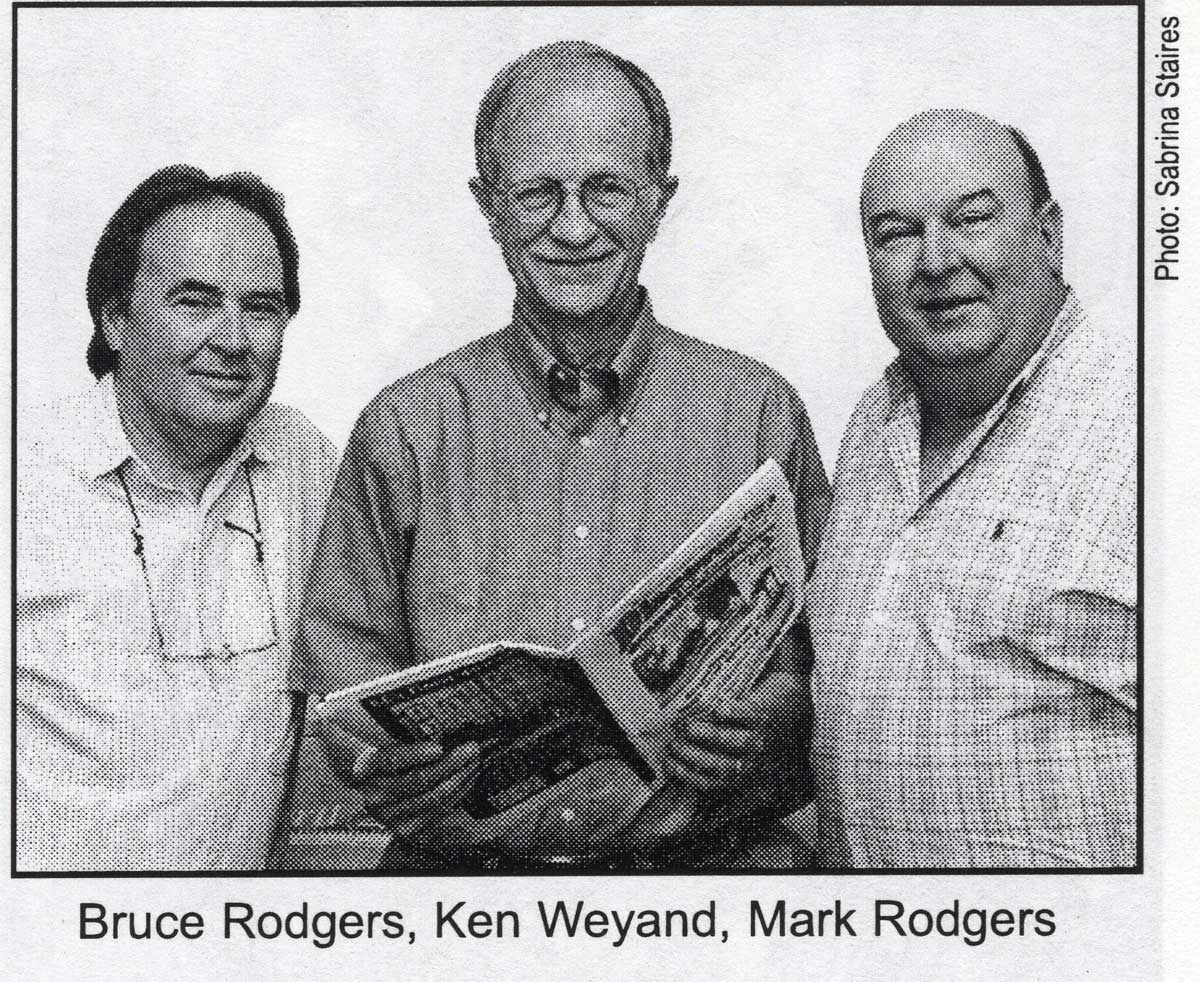
Bruce Rodgers, Ken Weyand, and Mark Rodgers

2003 new owners of Discover Vintage America

Not long after Bruce Rodgers and his brother Mark, bought the paper in 2003, the masthead was changed to its present Discover Vintage America. The name reflects the way that antiques have become a part of the nation’s culture, in décor and furnishings, blending with modern lifestyles.

Not long after Bruce took over the publishing duties, I retired, but continued to write a column for the paper. The “writing bug” continues to bite, and I’ve been contributing a column, “Vintage Discoveries,” based on family treasures and their history, ever since.
Today, Discover Vintage America is owned and published by Patti Klinge, who also composes the paper, prepares it for publication, and wears several other hats. Corbin Crable, a former professor of journalism at Johnson County Community College is the editor. Advertising is sold and managed by Al Hedrick, who first became part of the Discover team in the mid-’90s. I’m proud of their work and happy to see how far my little “tourist guide” has progressed over 50 years

Contact Ken Weyand at kweyand1@kc.rr.com.

A half century of ‘Discover Vintage America’

by Leigh Elmore

Have you considered 50 years at all? Can you even imagine 50 years? It’s a lifetime for many. And for an ink-on-paper newsprint tabloid publication, a run of 50 years seems almost miraculous in the current environment where so many print publications have stopped the presses.

Hats off to my former employer Discover Vintage America for navigating the treacherous waters of modern publishing and carving out such an enduring niche in a market that keeps on surprising with its resiliency.

I am forever grateful to former publisher Bruce Rodgers for giving me the opportunity to serve as editor of Discover from 2012 to 2020. Bruce knew I harbored a “history gene” and that I wouldn’t really be able to pass up the chance. And this old dog learned a lot from him, even on the back slope of my journalism career. Bruce had that gruff exterior and liked to bark on the phone sometimes. But he has that proverbial “soft heart” and was generous to the ones he respected and loved. There are a couple of cats in Florida living better lives these days because of Bruce Rodgers.

But, coming into the Discover Vintage America family introduced me to its founder, Ken Weyand, who was writing a monthly regional travel column at the time.

Leigh Elmore, editor 2012-2020

Leigh Elmore, editor 2012-2020

Ken’s straight-shooting honesty and folksy style served him and his publication well. Discover was Ken’s baby; he brought it into the world as Discover North in 1973 serving Kansas City’s northern suburbs. It put a lot of miles on Ken’s car and time on the phone making cold calls. It wasn’t glamorous, but look, we’re celebrating 50 years! It wasn’t long before Ken grew Discover into THE publication you had to have to find the latest shows and where the best sales were on tap.

By way of example, my wife, Lorraine, started working for Hallmark Cards in 1984 as a photo stylist. One of her responsibilities was “propping,” that is, going to stores, especially antique shops, and renting items to use as props in photo shoots. Shop owners loved this. Her mentor, Carol Hale, put a copy of Discover in her hands and told her “This is the bible for antiques in the Midwest.”

Discover’s columnists remain faithful and offer insights into many aspects of collecting antiques. Peggy Whiteneck’s common-sense approach to collecting and marketing in “Good Eye” is always illuminating and full of good ol’ New England practicality. Sandra Starley knows more about quilting and its history than anybody I know, and her monthly “Covering Quilts” column proves that. And the venerable Anne Gilbert offered up her knowledge of the trade right up to her death at age 96 in June.

Time’s passage is inherent to the antique trade. As generations go and others come the appreciation of what is valuable from the past evolves. As 30-somethings, my generation bought all the Art Nouveau golden oak furniture we could. Now we can hardly give it to our kids. The trick is patience. Trends come and go. The urge to collect is eternal.

Best wishes to Patti Klinge, who took over ownership of Discover just as I was retiring in 2020 and has a vision for the future. Editor Corbin Crable is adept at identifying where antiquing is headed. Al Hedrick and Melissa Lambert will soon be calling to reserve your ad space in the next issue.

Keep on keepin’ on Discover Vintage America!


Leigh Elmore served aseditor of Discover Vintage America from 2012 to 2020.

Thank you from the bottom of my heart

by Patti Klinge

In January 2019, I wrote that as the new publisher of Discover Vintage America, I had big shoes to fill as Bruce Rodgers had just retired and passed the baton to me. I am so grateful to Bruce for mentoring me over the first six years that I worked as the art director for Discover. Always eager to learn more, I gradually learned every aspect of the process, from ad sales to shipping and delivery. I became his right-hand man as it were and could even make the bank deposits when Bruce went away for a much-needed vacation.

I’m not saying that Bruce has big feet, just that he had a lot on his plate as owner and publisher of Discover Vintage America. I know even more now how true that is. This probably sounds corny, but I know my angels were guiding me when I landed in the art director’s chair at the Discover Vintage America office in North Kansas City 10 years ago.

After 25 years in IT, as a software programmer, tester, and project manager, I left the corporate world and returned to school to learn graphic design, which combined a love of art with my computer skills. Midway through the program, when looking for a summer job, Bruce convinced me to come work for him on Discover, but not just for the summer. I guess it was a good fit because here I still am!

Bruce Rodgers

Patti Klinge

I’ve always had an interest in publication, first as a paste-up artist for a small paper called “The Thrifty Nickel” during the summer after high school, then later as the publisher of the PTA monthly newsletter when my children were in elementary school.

I love Discover Vintage America. I love the history of the magazine and the fact that the publication is quite vintage itself, having been around for 50 years now.

I also love the vintage revival movement and the idea of reusing and repurposing old things instead of throwing them away. I love browsing through the antique shops and having a sense of nostalgia wash over me when I encounter dolls, toys, lunch boxes, and record players that I had as a child.

I think Discover serves an important purpose, bringing people together – merchants and shoppers hunting for treasures, communities celebrating traditions, and travelers enjoying festivals and exploring new places.

Together with editor Corbin Crable, I endeavor to continue the tradition of Discover Vintage America for years to come, until I pass the baton on again.

Thank you to Ken Weyand, Bruce Rodgers, Leigh Elmore, Al Hedrick, Corbin Crable, and all the other designers, sales reps, and editors over the past 50 years whose love and dedication have kept the paper going and the dream alive.

Also, a big thank you to our fabulous printer, Breese Printing & Publishing in Breese, IL, and Jason Green and his local delivery team at Publishers Delivery Solutions in Lenexa, KS.

And especially thank you to our loyal advertisers and readers, without whom we would not exist.


Contact Patti Klinge at  publisher@discovervintageamerica.com.

A long, strange trip (At least, for me)

by Bruce Rodgers

I got the memo via Patti Klinge (actually, it was a text) that Discover Vintage America will be 50 years old. I thought to myself: Good things don’t necessarily end.

When I bought the publication in January 2001, people didn’t really text. The phone worked fine or, if not, just show up in person. By the time I left 17 years later, Discover had kept up with the time — Facebook, an improved website and, I imagine, a whole lot more texting. The only thing missing is an “antique” license plate like they hang on automobiles, except they do that after 25 years.

I’m not surprised Discover has 50 years under its belt. It performed a service and still does. The marriage of a small businessperson and a love of antiques needs a big voice. Discovery Publications (now Discover Vintage Revival) through Discover Vintage America does that.

Life moves on. Things get old, things get better. There’s always a champion of this or that. I’m not sure how much I did to keep it going, but I’m proud to have been a part of it. My congratulations to Patti Klinge and the rest of the staff. Sometimes, old things don’t get old.


Bruce Rodgers publisher, 2001-2018

Bruce Rodgers

Bruce Rodgers

Al Hedrick: The man, the myth, the legend...

by Patti Klinge

The “Voice” of Discover Vintage America

Over the past 27 years, he has become the “voice” of Discover Vintage America and an important member of the team. As the senior advertising account representative, most people calling to advertise have spoken with Al Hedrick on the telephone at least once. His comforting voice evokes confidence that running an ad in Discover will bring shoppers to stores and visitors to events. He takes an interest in his clients and remembers to ask about the kids… that’s just the kind of guy he is.

Al joined the Discover team in 1996 when he was closing his design business and wanted to sell the computers and other office equipment he no longer needed. Ken Weyand, then owner and publisher of Discover, took him up on the offer and then asked if he might want to try his hand at selling ads for the publication. Obviously, that worked out well. He may be a little old-fashioned in his approach, but he has his own style of selling and it seems to work for him.

Now that he’s getting on in years, the days of road trips to neighboring states to sell ads are over, but he remembers fondly the past trips to Omaha, St. Joseph, Wichita, Weston, Ottawa, St. Louis, to name a few.
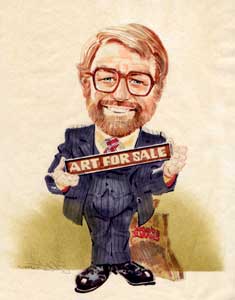
 

Caricature of Al Hedrick

Caricature of Al Hedrick drawn by Don Elstrom


Al says that most salespeople are either good at new sales or at recurring accounts, but he’s good at both. We are blessed to have him with us here at Discover, keeping the sales machine running. 🙂


Contact Al Hedrick at alhedrick@discovervintageamerica.com.

The Kansas City Press Club years...

by Patti Klinge


Annual KC Press Club contest

In 2014, Bruce suggested that we submit an entry to the annual KC Press Club contest, where peers in another market judge publications in various categories. We won a silver award that year and at least one award each subsequent year that we entered the contest. In 2017 we hit the Motherload, taking two silvers and a gold award in our “Business-to-Business” category.

Best Part

The best part was that I was reacquainted with Corbin Crable, who was on the board at the time. Eventually, I was asked to join the board for a year and met some great folks who were passionate about supporting print publications.
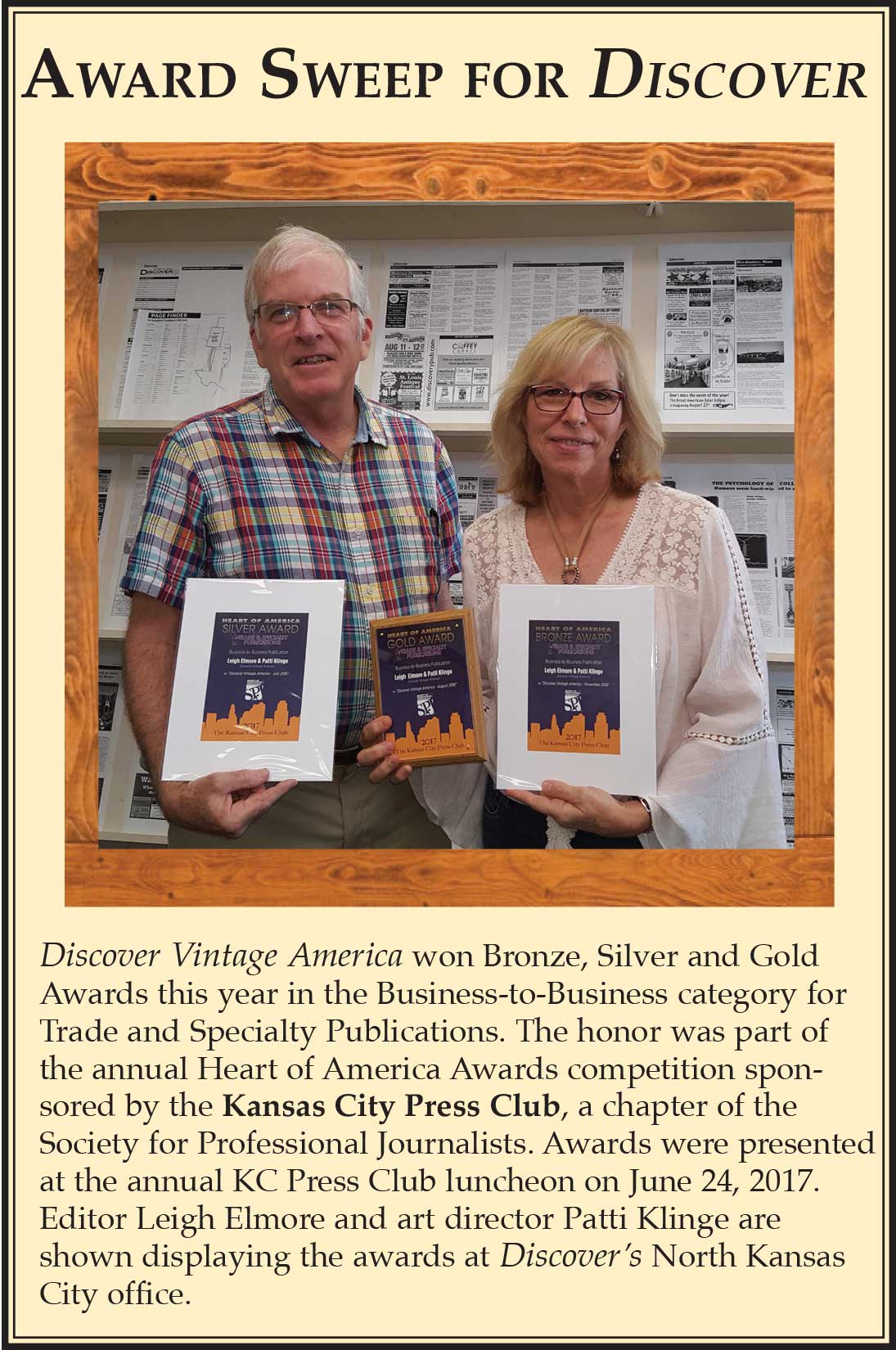
Leigh Elmore and Patti Klinge proudly hold the awards

Leigh Elmore and Patti Klinge proudly hold the awards presented by the Kansas City Press Club to DVA in 2017.

Newspaper publishing evolved from ‘cut and paste’
to computers

by Ken Weyand

A lot has changed in the half-century since news-papering included neighborhood shoppers and every town with a courthouse had a newspaper.

The massive changes in the way we communicate are especially obvious to those of us who are in our “retirement years,” and notice (with dismay) the decline of metro dailies and much of print journalism in general.

“Old hands” also remember when producing a shopper or “neighborhood weekly” involved a crew of “paste-up artists” armed with “X-acto” knives and plastic “burnishers.” After the type had been keyboarded, a cartridge would be removed from a processor and taken to a darkroom, where rolls of photo paper would emerge to be waxed, cut into smaller pieces, and applied to light-weight card stock. These “paste-up boards” would be ruled in lines of non-reproducing blue, making it easier to assemble the ads and editorial copy.
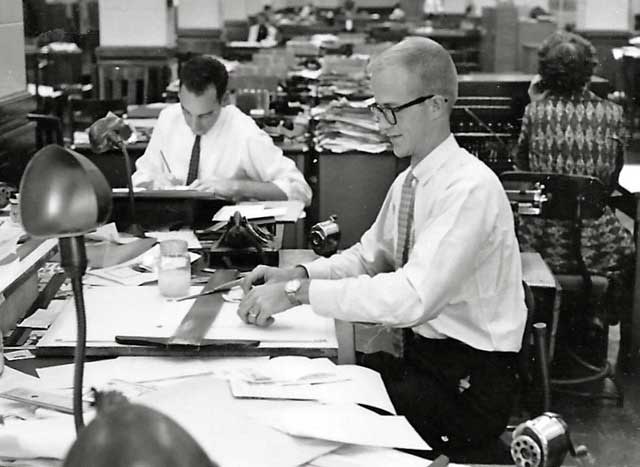
creating newspaper content by hand

Creating newspaper content by hand

Ken Weyand, back in the day, creating newspaper content by hand when he worked for The Kansas City Star. (photo courtesy of Ken Weyand)

When everything was burnished down, the paste-up boards would be boxed and delivered to a printer, who would convert the boards into negatives in another darkroom, then (after fixing scratches and imperfections, and assembling necessary color separations) the images would be transferred to printing plates that would attach to an offset press. Hours later, bundles of “newsprint” would be trucked back to the publisher’s shop, ready to be mailed or hand-delivered.

Much could go wrong in the process. I recall a hot day in August when I had picked up a box of paste-up boards to take to a printer. My car had been parked in the sun, with an interior temperature well above 100 degrees. By the time I reached the printers’ offices and opened the box, the wax that once secured everything had melted, and the once-burnished ads and editorial items looked like hundreds of curled-up potato chips.

After an hour or so of careful burnishing (with my heart in my mouth) I managed to salvage the mess, while the printer, well over his deadline, paced the floor. All would be well until the next issue when new challenges were sure to arise.

At least one trip to the printer involved leaving the box atop my car as I fumbled with keys and other things. Luckily I had barely started when I discovered the problem. The box fell off the car and some of the boards scattered on the asphalt. Fortunately, the day was cooler, and I was able to gather everything up and be on my way.

Today’s newspapers, from tiny shoppers to big-city dailies, are put together with computer-generated content. Four-color ads and complex editorial layouts are produced with magical keystrokes. Printouts go onto display boards for the purpose of proofreading, but the finished product is transmitted to the printer via a system that resembles sending an email. The completed papers usually are trucked to the publisher the next morning, where the distribution process begins.

One thing that hasn’t changed is the dedication that goes into the process. With few exceptions, everyone in the “biz” today is making sacrifices to make things work. Most of those who put smaller publications together - including this one - wear many hats with minimum compensation. It’s a complicated process involving late hours, combining technical expertise with meeting the needs of advertisers and readers.

To me, watching it come together is as gratifying and magical as it was in 1973.


Ken Weyand is the original owner/publisher of Discover Vintage America, founded in July 1973 under the name Discover North.
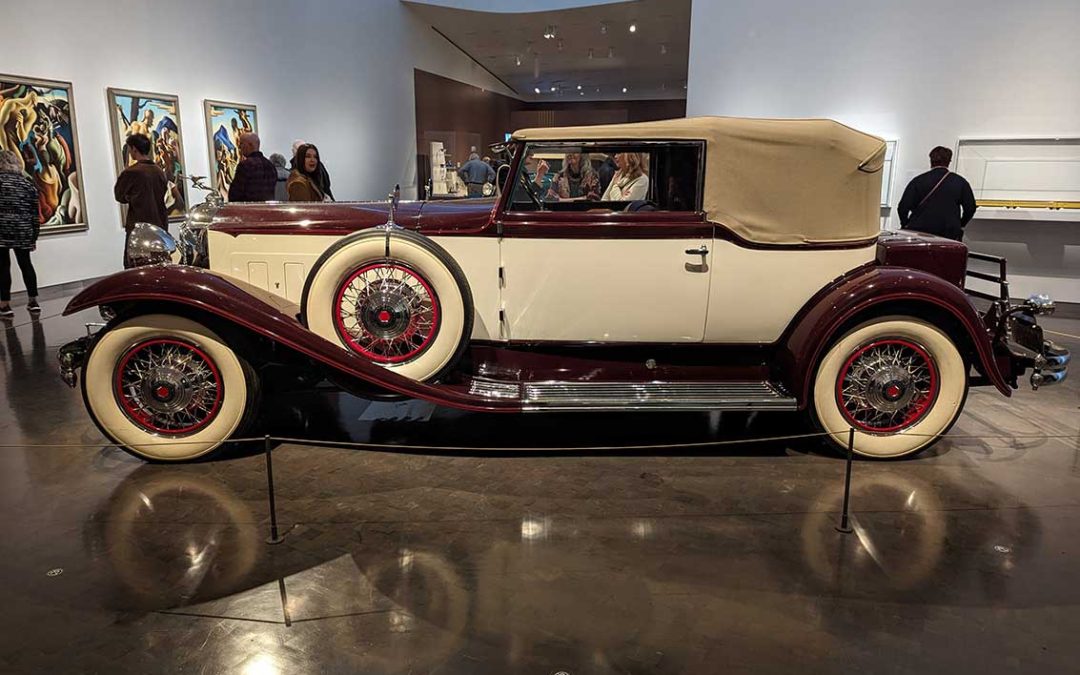
A modern style Art Deco movement was elegant but accessible

A modern style Art Deco movement was elegant but accessible

This 1931 Packard Model 840 Dietrich Convertible Victoria was the centerpiece of an exhibition on the Art Deco movement at the Nelson-Atkins Museum of Art in Kansas City, MO. The exhibition, “American Art Deco: Designing for the People, 1918-1939,” ran July 2022 through January 2023. (Photo by Corbin Crable)

July 2023

Cover Story

A modern style

Art Deco movement was elegant but accessible

by Corbin Crable

It was an aesthetic that defined an entire decade.

A visualization of the wealth, style and creativity of the 1920s, the Art Deco design movement could be found just about everywhere you looked, from soaring skyscrapers to everyday items like tea kettles and clocks, from graphic design to automobiles. And an appreciation of all things Art Deco can be found not just in our homes, but also in the institutions that govern and entertain us, such as municipal buildings, museums and concert halls. Items designed in the Art Deco style utilized basic geometric shapes and were both “sleek and hand-crafted, rich but not ornate, showy but not overly ornamental,” according to a trend expert at Modsy. It was influenced by the Egyptology craze of the late Victorian era, which had seen a resurgence in the 1920s with the discovery of King Tut’s tomb.

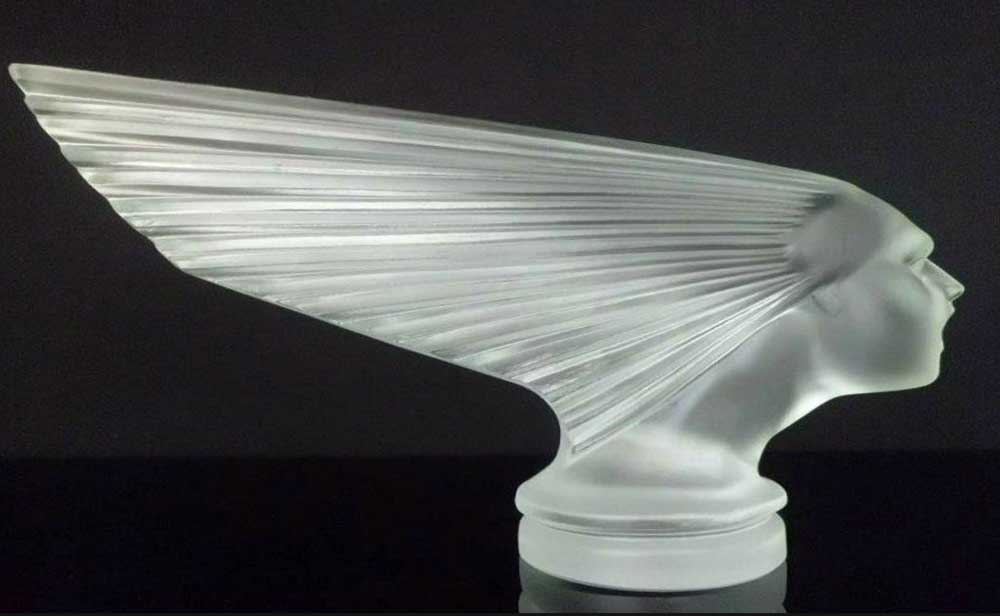
glass hood ornament

Glass hood ornament

A glass hood ornament from the 1930s. (Image courtesy of Etsy)

Born in France

The Art Deco movement actually began years before it exploded into our collective consciousness during the Jazz Age. It grew out of the Art Nouveau design movement of the late 19th century, which itself was defined by elaborate, organic patterns steeped in nature and plant/floral life, as well as curved lines and asymmetry. Art Nouveau also took inspir-ation from many character-istics of Cubism, most notably, collages. Its heyday ran from the 1880s to the start of World War I; the actual name “Art Deco” (originally called “French Arts Decoratifs”) was coined for this movement in the 1960s, decades after it ended.

Like Art Nouveau, the Art Deco movement saw its origins in Europe in the early 1920s, starting with jewelry and textiles, then being incorporated into furniture, and finally, architecture. Materials used in Art Deco-style pieces included stainless steel, Bakelite, plastics, and some even incorporated horn, ivory and zebra skin. By 1925, the movement had gone global after being introduced at an exhibit held in Paris, making its way into the skyscrapers of metropolitan areas around the world. Rejecting the naturalism of Art Nouveau, items created in the Art Deco style used sharp lines and vibrant colors to represent an embracing of the fast-paced industrial world, according to Collectors Weekly.

Art Deco even found its way into cinema, featuring prominently in German filmmaker Fritz Lang’s dystopian-future tale Metropolis, which was released in 1927.

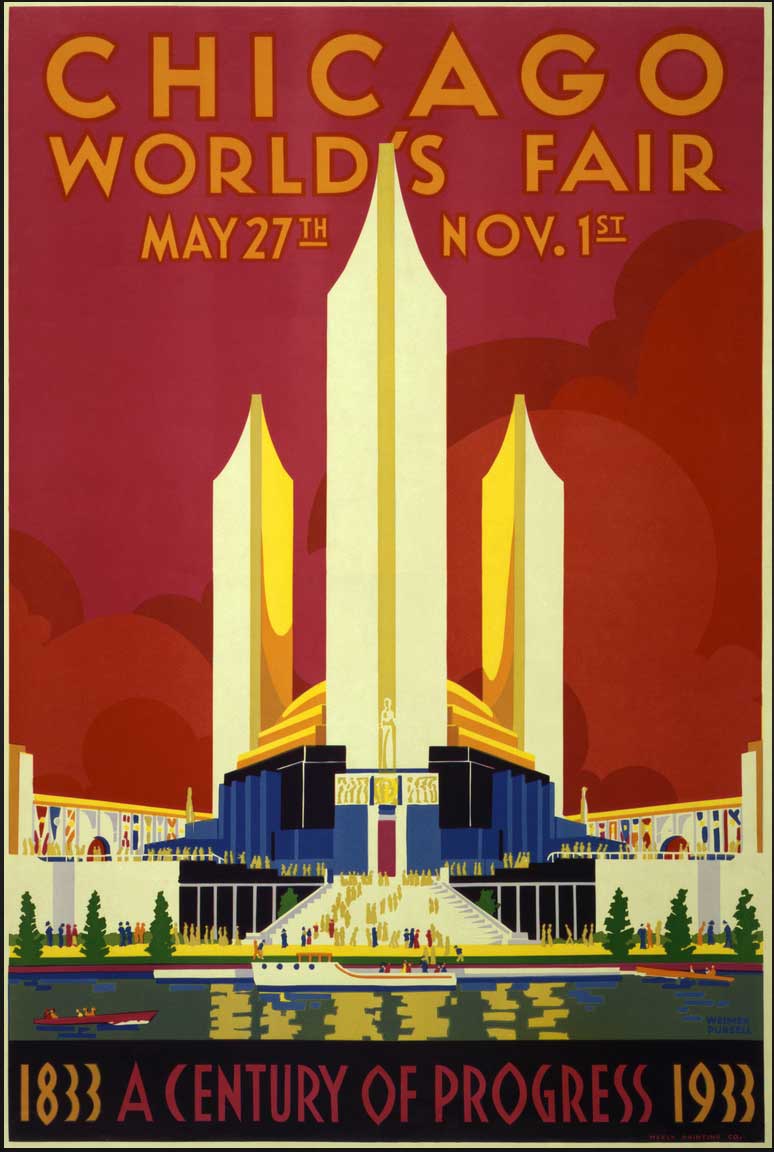
A Century of Progress

A Century of Progress poster

Poster for “A Century of Progress” by Weimer Pursell, 1933. (Image courtesy of Wikimedia)

New York’s Empire State Building

New York’s Empire State Building

New York’s Empire State Building stands as one of the most famous examples of Art Deco architecture in the world. (Image courtesy of Wikimedia Commons

Master of the Sky

“Art Deco was all about moving away from the past and paving a new way for the future, culturally and aesthetically, which meant keeping some decorative elements but also giving them a sleeker, cosmopolitan twist,” according to a 2020 article on Housebeautiful.com. “As such, many Art Deco buildings wear a ‘tiara,’ the nickname for floors that aren’t leasable spaces (speaking to the decorative value of design that this movement really pioneered). Tiaras make the buildings taller and distinctive, inviting you to look up.” Fittingly, the article adds, Art Deco was all about the celebration and promotion of modernity; some designers say the motto of the movement was “Master of the Sky.”

Of course, Collectors Weekly notes, since Art Deco items were so popular, they were mass-produced, and as such, they remain readily available on websites like eBay and Etsy, as well as online antique dealers and auction houses. Architectural marvels designed in the Art Deco style have become synonymous with the cities in which they are located.

“The 1930 Chrysler Building, an Art Deco masterpiece, is one of the most famous landmarks in Manhattan; the 1937 Golden Gate Bridge in San Francisco is another Art Deco triumph, in this case of both design and engineering,” an overview on collectorsweekly.com reads. “Then there’s Ocean Drive in the South Beach section of Miami, home to some 800 preserved Art Deco structures.”

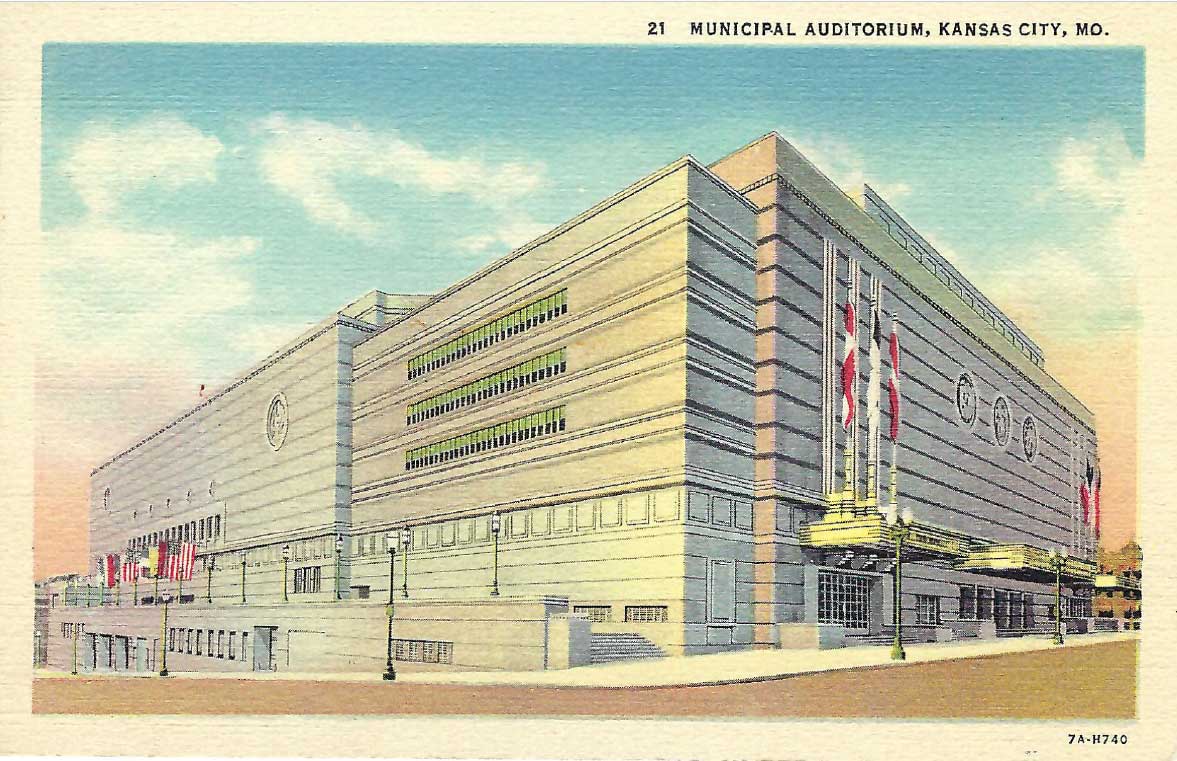
Kansas City’s Municipal Auditorium

Kansas City’s Municipal Auditorium

A postcard shows the Art Deco style in the design of Kansas City’s Municipal Auditorium, built in 1935. (Image courtesy of Pinterest)

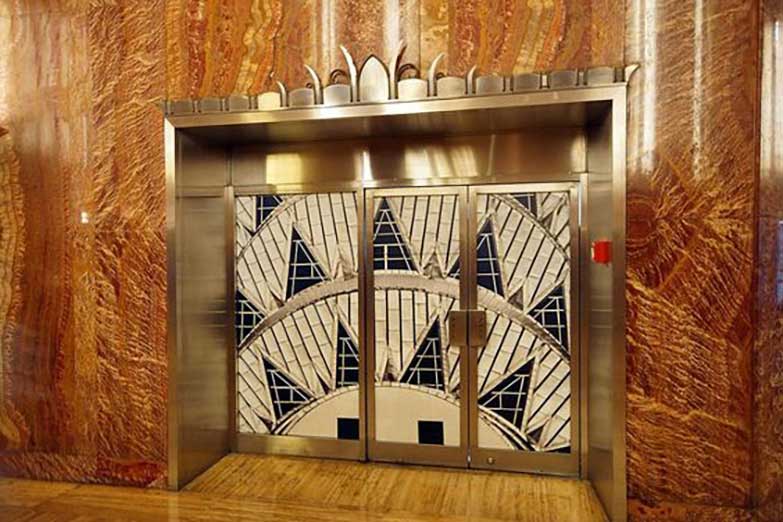
The Chrysler Building elevator

The Chrysler Building elevator

An elevator in The Chrysler Building. (Image courtesy of Pinterest)

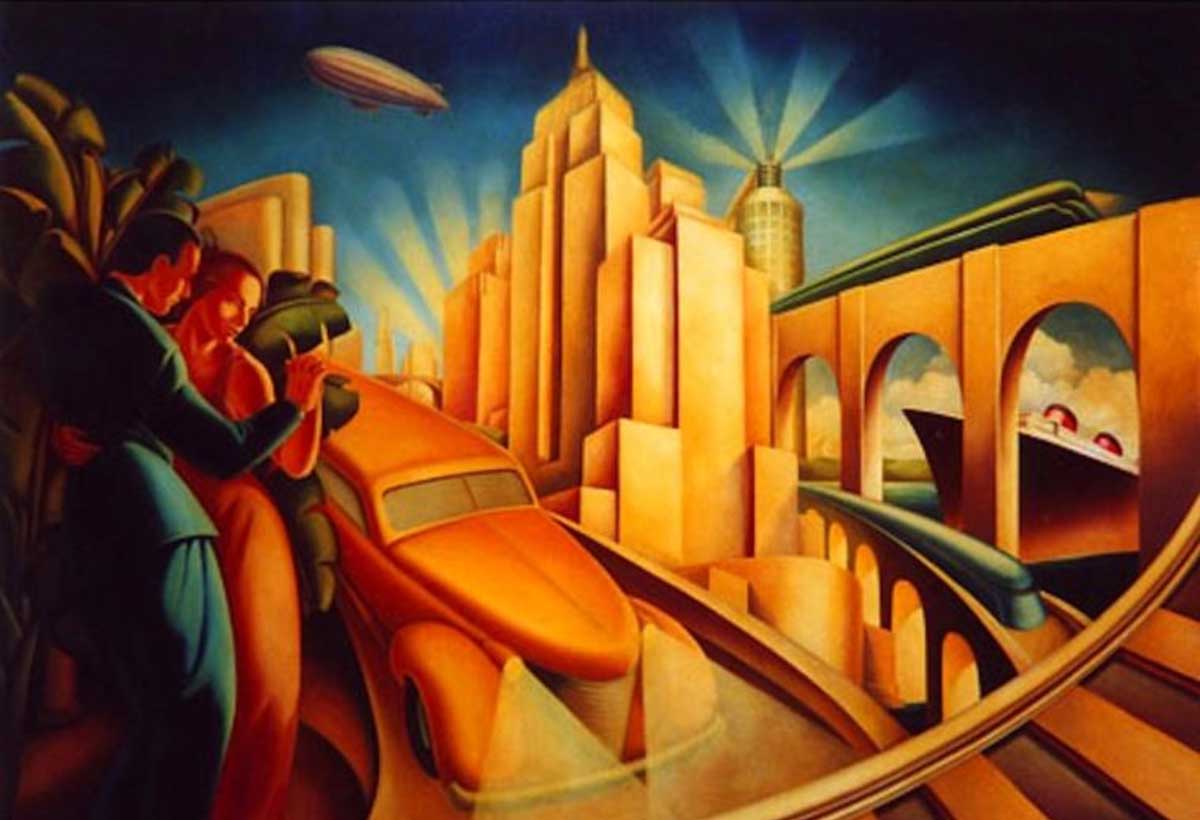
Art Deco poster

Art Deco poster

The compilation of style elements in this poster evokes the feeling of elegance that was prominent in the Art Deco movement. (image courtesy of wallpapersafari.com)

From the massive to the diminutive

Closer to home, nowhere can the Art Deco influence be seen more clearly in architecture than downtown Kansas City at the Municipal Auditorium complex, a grouping of four special event venues. Opened in 1935, it features Art Deco architecture and was hailed by The Architectural Record as “one of the 10 best buildings of the world that year,” according to the now-defunct Kansas City Times. All visitors to the Music Hall, one of the four buildings that make up the complex, are treated to the breathtaking foyer, filled with stunning Art Deco details that also are found throughout the hall’s public spaces, from restroom signs to wall decorations and the elaborate Art Deco chandeliers. In fact, the lighting fixtures in the Music Hall inspired the four Sky Stations on top of another building in the complex, Bartle Hall.

The smaller, everyday items that have survived the decades remain quite affordable, according to Collectors Weekly. “Industrial designers Raymond Loewy and Henry Dreyfus created many functional objects (such as clocks, radios, and telephones) with the classic Art Deco angular, streamlined look,” the site’s overview states. “Statuettes and figurines, frequently of female nudes, were produced in plastic, bronze, and ceramic. Glass objects — from vases to perfume bottles — were also popular, with Rene Lalique, Antonin Daum, Henri Navarre, and Maurice Marinot among the most prized practitioners.”

Porcelain figures in the Art Deco style, too, are collectible and easily found, the article reads.

“Porcelain figurines created for Robj, Rosenthal, and Lenci often depicted characters and caricatures dressed in the fabrics of the day, with Art Deco costume jewelry on their necks and Art Deco watches on their wrists,” the article continues. “By the bed would be a bronze and mahogany clock, in the dining room a china service emblazoned with geometric patterns, and in the living room silver and enamel cigarette cases leaning against ashtrays made of Bakelite.”

Part of the appeal of Art Deco was its accessibility to the common man; the items mass-produced in this style were affordable and allowed their owners a touch of class and elegance in their home --  “the use of inexpensive or innovative materials enabled the production of a diverse variety of affordable objects, bringing beauty into the public realm in a novel way,” according to Art File Magazine.

Art Deco’s decline

Art Deco’s global popular-ity, which seemingly touched just about every facet of life in the 1920s, began to wane with the onset of the Great Depression and accelerated with the start of World War II. By 1939, the style was simply viewed as too “garish and decadent.”
“Metals were repurposed to be used in the construction of weaponry rather than beautifying structures or interior spaces,” the Art File Magazine article notes. “Furnishings weren’t seen as prestige symbols anymore.”

In addition, the article reads the appeal of Art Deco objects – their widespread availability – was reduced by technological innovations in mass production. “Further technical advancements enabled cheaper manufacture of basic consumer products, reducing the demand for and appeal of Art Deco designers.”

Thankfully, trends in antiques and vintage collecting are cyclical, and with the renewed interest in Mid-Century Modern design in recent years comes a renewed examination of its elements, many of which take influence from Art Deco.

“A movement that in many ways aimed to reject the past is now seen as a nostalgic, beloved classic,” Art File Magazine says. “There has been a consistent, ongoing appreciation of the design since the 1960s. Mid-Century Modern design, which revives the sterile purity of the Bauhaus and continues forth the Art Deco aesthetic’s streamlined style, has elements of Art Deco.”

Art Deco, for all of its visual beauty, symbolized optimism in the future, conveying the message that surely better times were on the horizon and that which ails us will become only a memory.

“There was going to be no more poverty, no more ignorance, no more disease,” wrote the late Robert McGregor, who worked to preserve the Art Deco heritage of a New Zealand town. “Art Deco reflected that confidence, vigor, and optimism by using symbols of progress, speed, and power.”

Art Deco fashion

Art Deco fashion

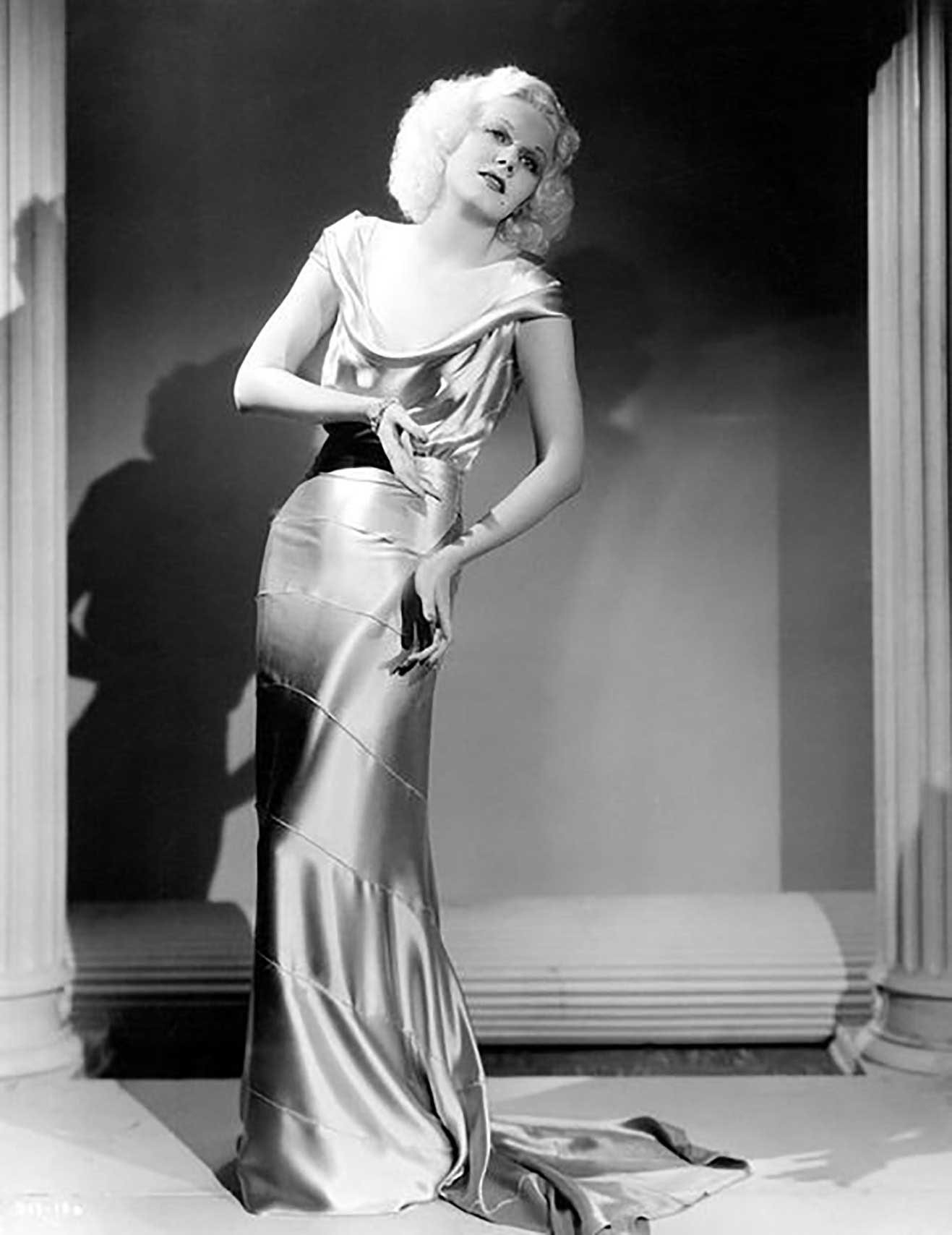
 Art Deco fashion for women in Hollywood included lots of embellishments, with floor-length gowns. Pictured here: American actress Jean Harlow.(Image courtesy of Pinterest)

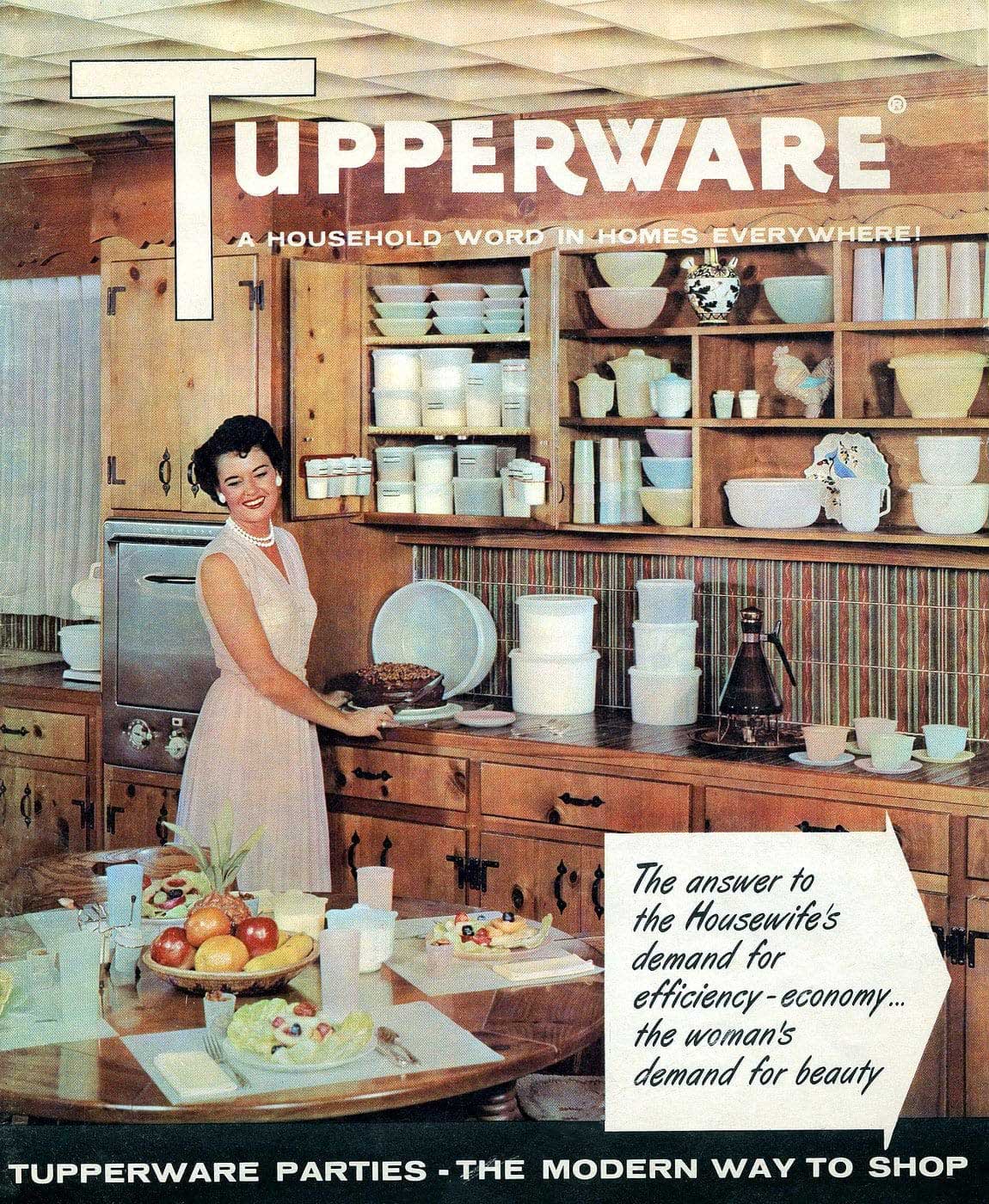
Tupperware: An American icon

Tupperware: An American icon

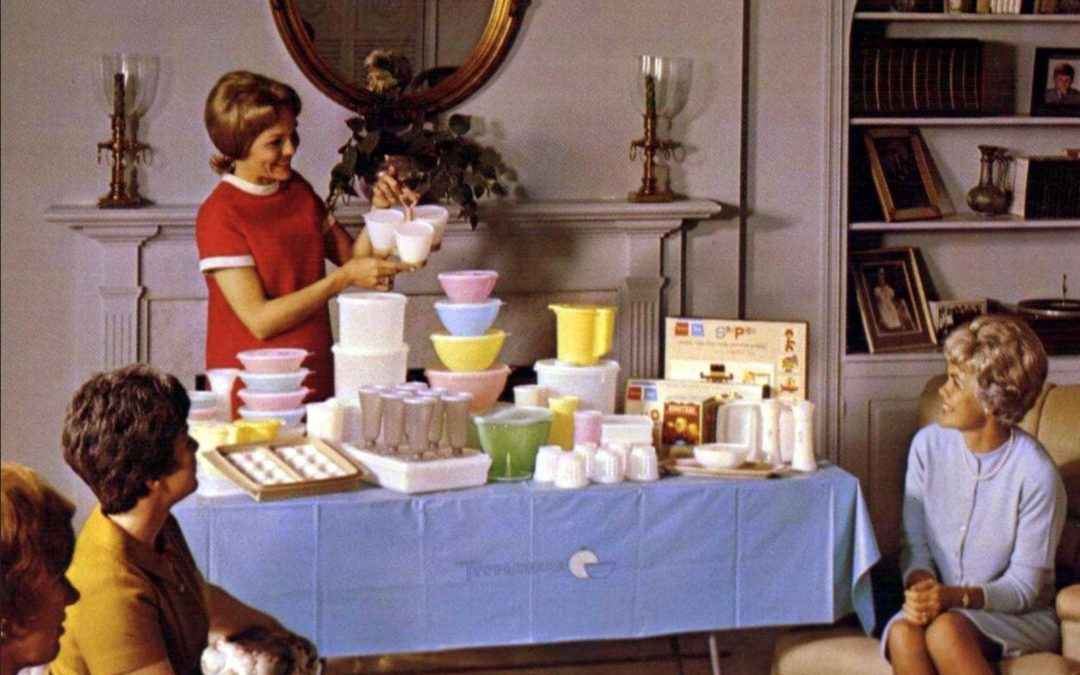
 A housewife hosts a Tupperware party in the 1950s. (Image courtesy of Click Americana)

June 2023

Cover Story

Tupperware: An American icon

by Corbin Crable

They’re durable, they’re colorful, and they’re cherished hand-me-downs that have survived decades in your kitchen and your life on the go.

Tupperware, the name ubiquitous with storage containers designed to keep foods fresh, has a long and storied history, but it might be on the chopping block, according to an article published in late April on CNN’s website.

“Known the world over for its plastic food storage containers and its sales parties, Florida-based Tupperware warned that the company was running out of cash and needed additional money – soon – to say in operation,” the article states. “In some ways, the 77-year-old brand is still a titan: It’s, literally, a household name, and its vivid juice- and fruit-colored products are for sale in nearly 70 countries.

… (But) experts say this is what happens when a once-pioneering brand, beloved by families through generations, is unable to adapt to an evolving marketplace, brutal competition and attitudes and needs of younger consumers.”

Tupperware brand

Tupperware brand

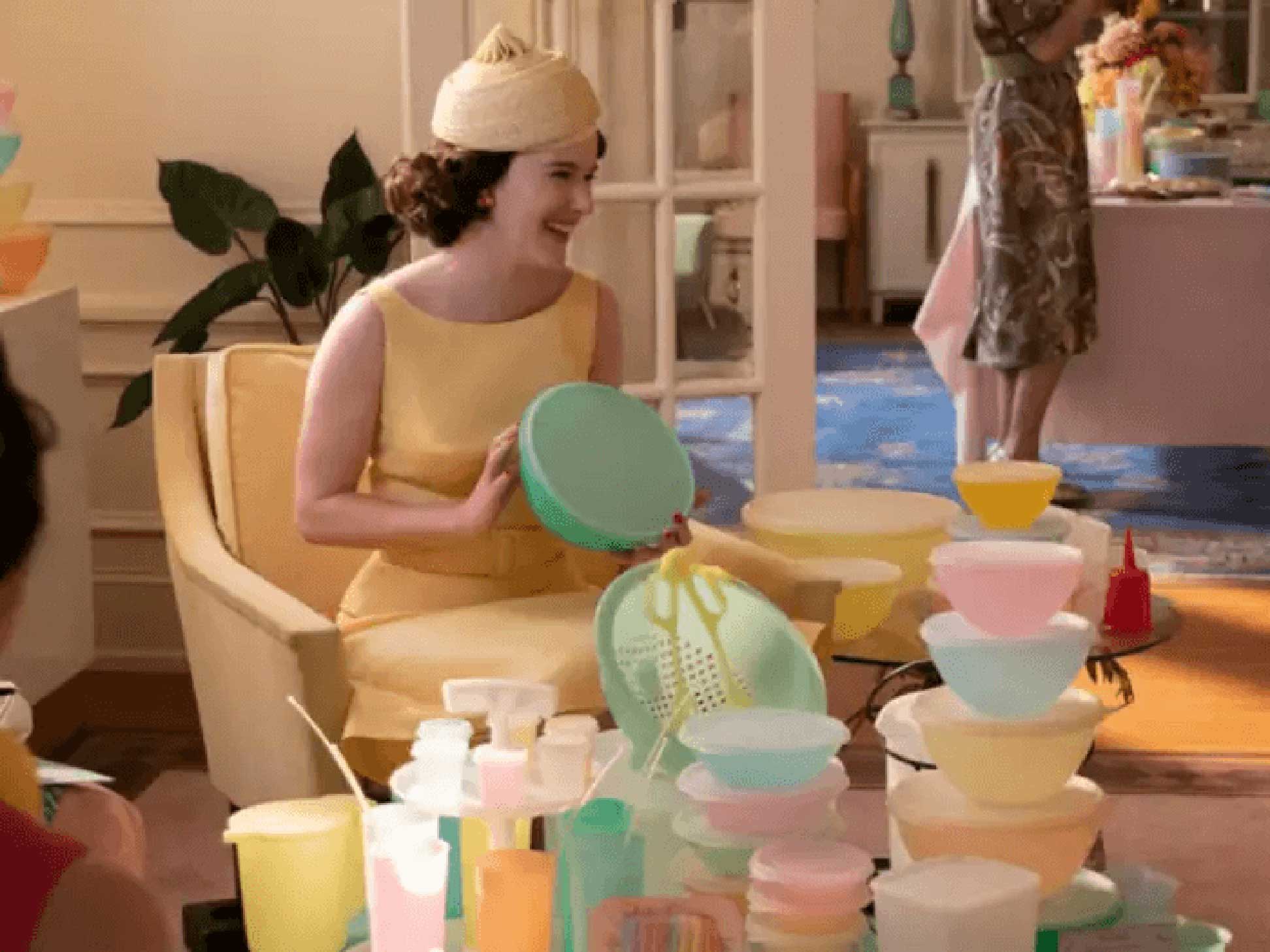
The Tupperware brand has found its way into pop culture for years – most recently, the Amazon Prime show “The Marvelous Mrs. Maisel.” (Image courtesy of Reddit)

Earl Tupper

Earl Tupper

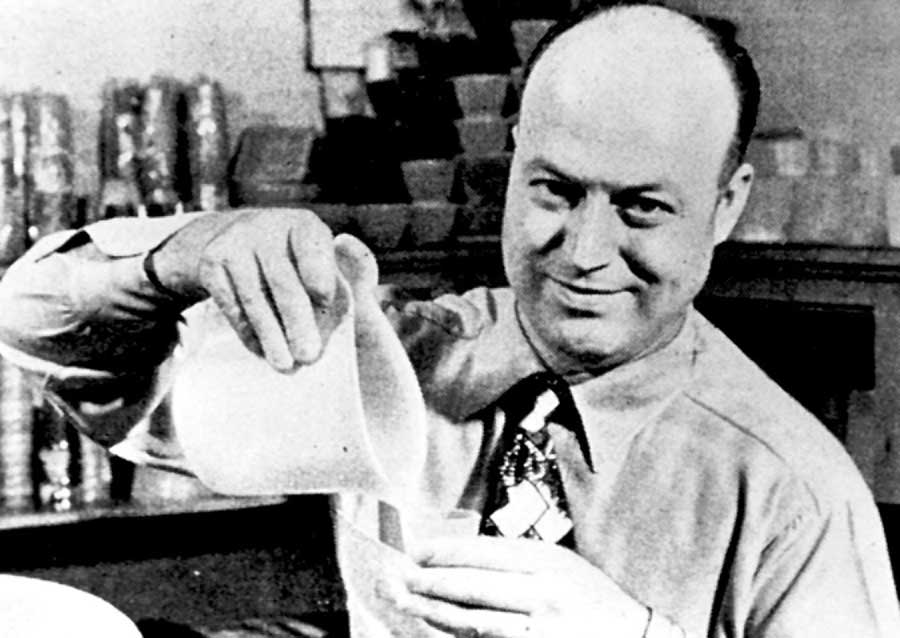
Earl Tupper, the inventor of Tupperware. (Image courtesy of Mass Moments)

Fighting food waste

But for those of us whose Tupperware still sits in our cabinets, pantries, and refrigerators, sturdy and beloved as ever, the brand harkens back to a simpler time, when the years immediately following World War II gave rise to innovations in seemingly every industry imaginable – none more so than the American kitchen.

Inventor and businessman Earl Tupper had experimented with other products throughout the Great Depression with little success – garter stockings, shoe heels, comb cases, and even a boat powered by fish. It wasn’t until Tupper began working in a DuPont-owned plastics plant in Massachusetts that he conceived the idea for the invention that would finally make him a household name.

Launched in 1946 by Tupper, the line of food serving and storage products that bore his name featured a bell shape that the businessman had been developing over the course of the previous four years. The products were largely made of the now-commonly used plastic called polyethylene, which Tupper himself had discovered in 1938. Tupper even developed a “burping seal” for the products – an airtight seal that worked by lifting the lid, allowing for a “burp” of air out, and then pushing the lid firmly down again. He acquired a patent for the lid in 1950.

Tupperware products came in milky white

Tupperware products came in milky white

Though the first Tupperware products came in milky white, they eventually came in nearly every color imaginable. (Image courtesy of Pinterest)

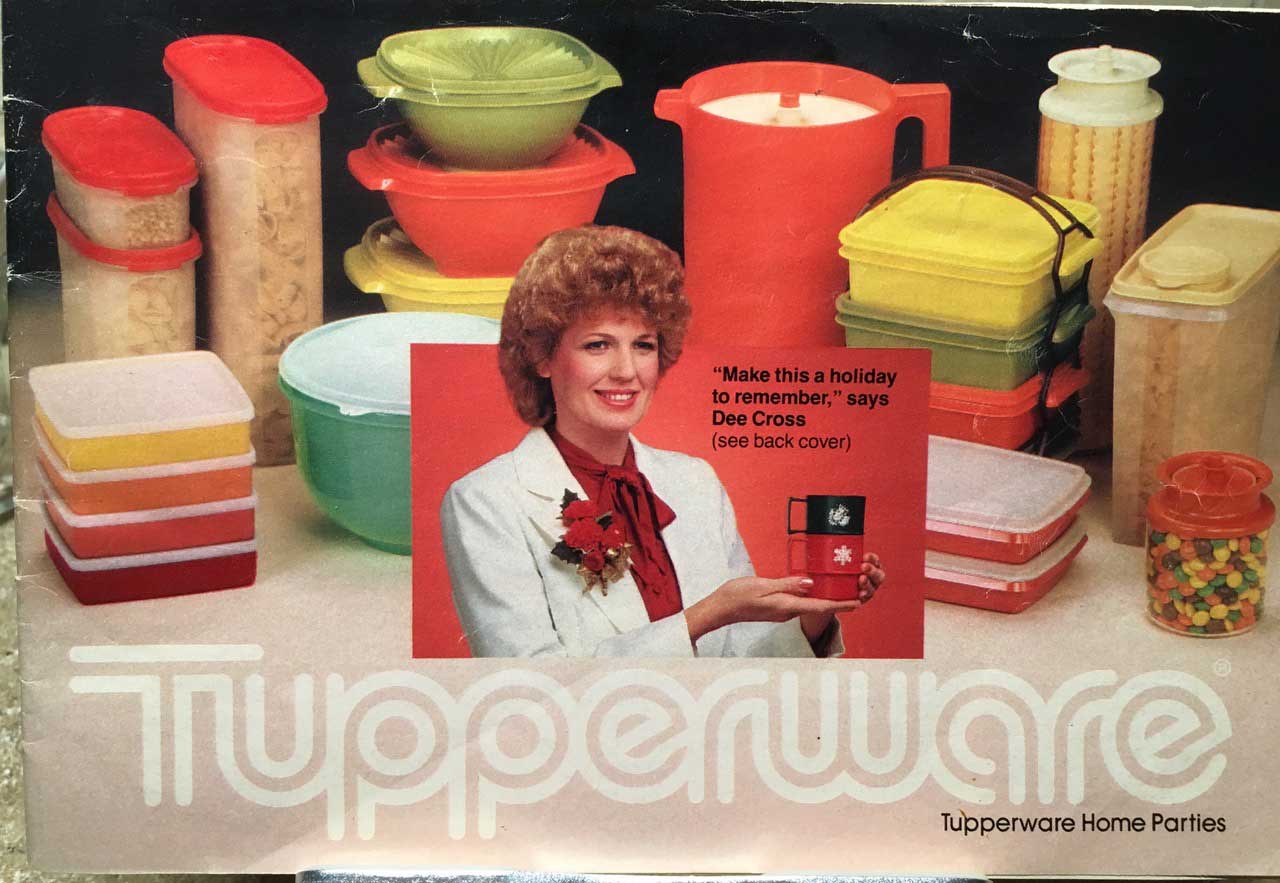
Tupperware catalog from 1982

Tupperware catalog from 1982

A Tupperware catalog from 1982.
(Image courtesy of TamaraRubin.com)

Tupperware parties

Tupperware parties

Recognized today as multi-level marketing, Tupperware parties promised its party hostesses and sellers a better life – as well as prizes for top sellers, including diamond jewelry and even cars. (Image courtesy of The Tupperware History Group/Facebook)

A wise addition to Tupperware

In the postwar years, when more homes began cropping up in newly designed American suburbs, convenience was king, and Tupperware added ease to meal preparation and storage. Tupper joined forces with Brownie Wise, a woman who had sold home products at parties that proved to be highly popular (he would eventually hire Wise to be his vice president of marketing in 1951). For Tupper, who initially had tried selling his new Tupperware in department stores with little success, the idea of marketing his new Tupperware at home parties was a logical next step. The “Tupperware party” was an event that proved to become synonymous with the product, finding its way into American homes in the following years.

“The company had tremendous cultural impact,” Venkatesh Shankar, marketing professor at Texas A&M, said in the April 25, 2023, article on CNN.com. “The famous neighborhood house parties where Tupperware products were sold by the host to her family and friends was a new way of marketing, combining socializing with direct sales.”

Indeed, the Tupperware party was an ideal innovation of the time.

“The practice dove-tailed brilliantly with the rise of post-war suburbia: women had bigger homes, bigger kitchens, more money to spend, more children to feed, and more responsibilities to keep house,” the article continues. “Into that climate came Tupperware. Its first milky-white plastic product, the “Wonder Bowl,” cost 39 cents, according to Smithsonian Magazine; the museum has a huge Tupperware collection. Over the years, tangerine orange, baby blue and pink, and kiwi green products followed.”

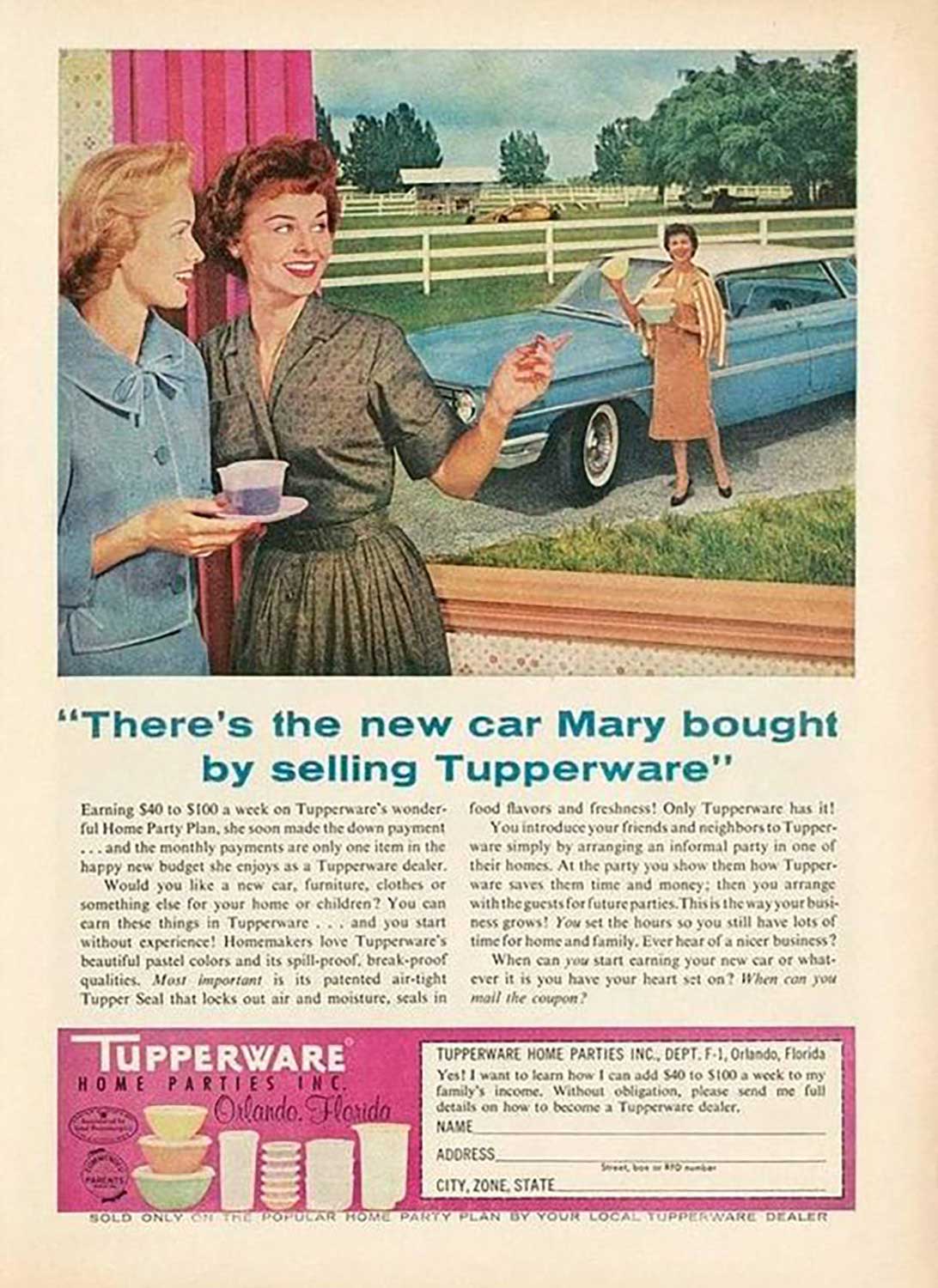
The parties themselves were glamorous, upscale social events – much like an afternoon tea party, according to the article, housewives dressed in their very best dresses, gloves, heels, and hats. The host would carefully present her wares, stacking them delicately in order to show them off. Since this was one of the few socially acceptable ways for women to make money, it proved to be a popular way for housewives to earn income.


Tupperware from the 1950s

Tupperware from the 1950s

An advertisement for Tupperware from the 1950s. (Image courtesy of Click Americana)

Dedication to the brand

Brownie Wise, meanwhile, saw her star rise within the company, combining her sales knowledge, charisma, and femininity to build Tupper’s company and its product, enlisting legions of American housewives to assist her in her crusade.

“Wise had inspired a kind of religious devotion to their work,” Bob Kealing, Tupperware scholar and Wise’s biographer, wrote in “Life of the Party: The Remarkable Story of How Brownie Wise Built and Lost a Tupperware Party Empire.” “She promised them a better life, and they adored her.”

Tupper took notice but didn’t seem to want the company to become “all about her,” according to Kealing. Tupper fired Wise in 1957.

The success of Tupperware throughout the 1950s and ‘60s shouldered by the brand’s hostesses, led the product to go global, eventually reaching Europe, where hostesses were required to follow a rigid dress code of skirts, stockings and gloves, in keeping with the parties’ feel of an elegant, upscale event. Tupperware proved to be successful in Asian countries, too, in the decades following the product’s peak years.

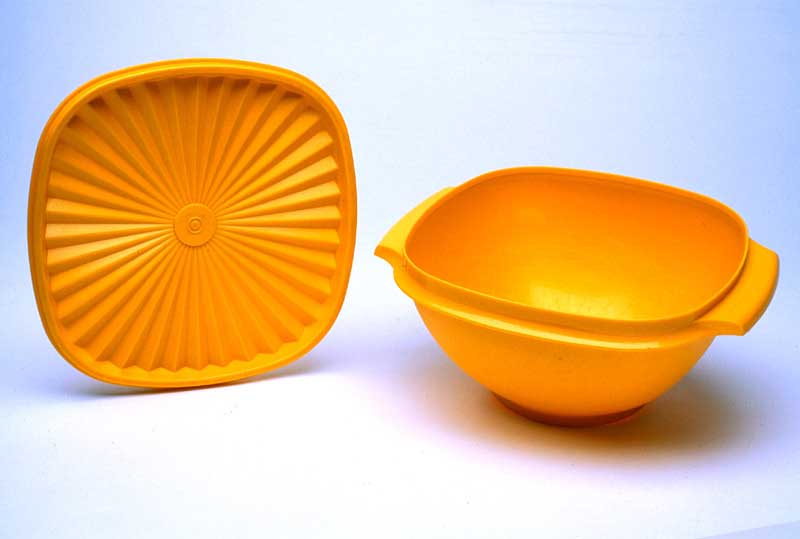
Tupperware can even be found in museums

Tupperware can even be found in museums

Tupperware can even be found in museums, such as this bowl on display from the Kansas Historical Society. (Image courtesy of the Kansas Historical Society)

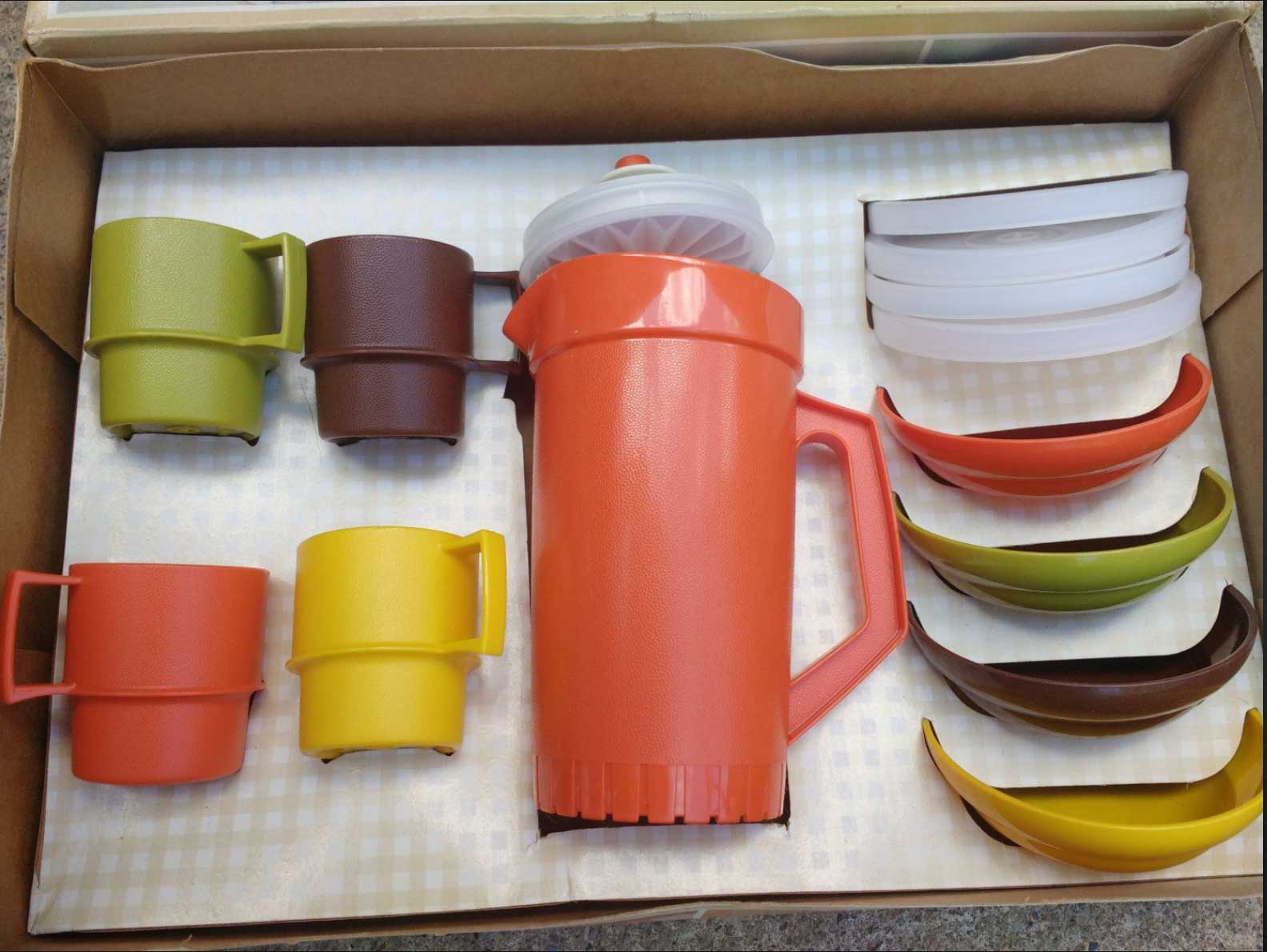
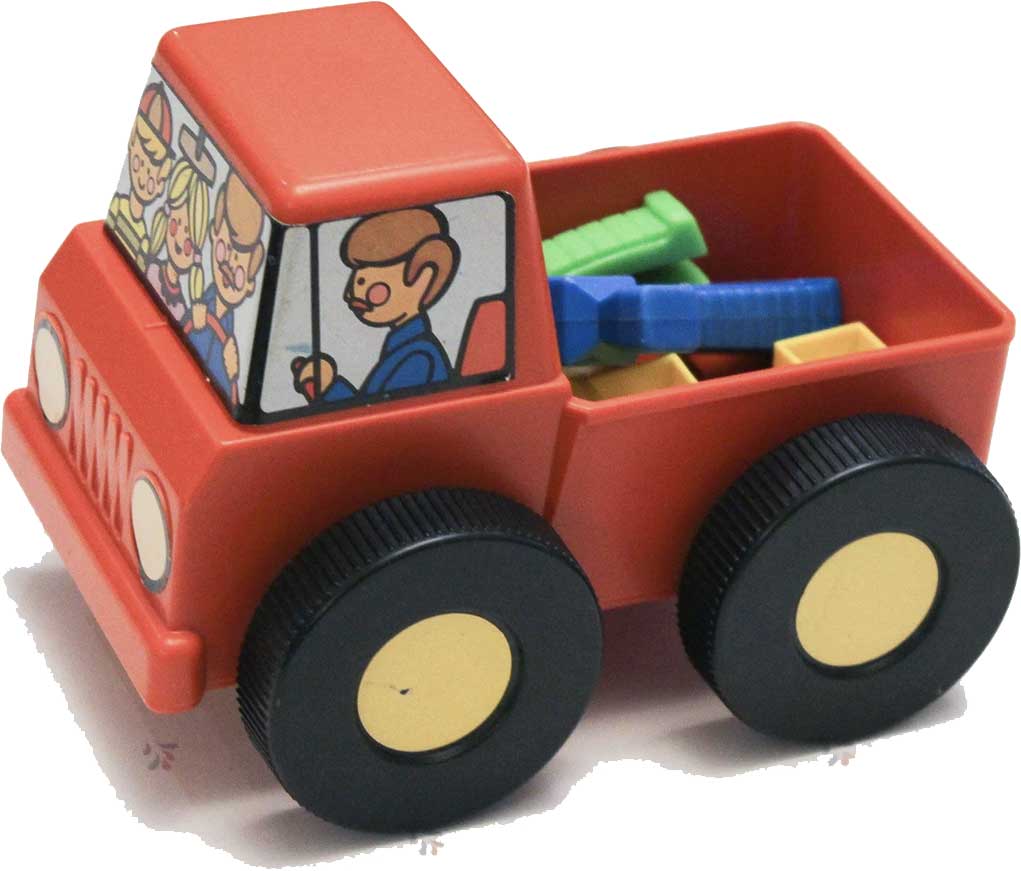
classic 1970s Tuppertoys

classic 1970s Tuppertoys

Start ‘em young - These colorful, classic 1970s Tuppertoys are durable and can still be found for sale in antique shops and online (left to right): Street Sweeper Family Pick-Em-Up Truck; Vintage Mini Serve-It Picnic Set; Shape-O shape sorting ball. (Images courtesy of Etsy)

Sagging sales

Tupperware sales numbers began a slight dip in the 1980s, throughout numerous acquisitions and mergers. The brand saw its sales continue that trend toward the turn of the century, with the number of salespeople shrinking to just under 2 million by the end of the 2000s. In the past five years, Tupperware has withdrawn its operations in Middle Eastern and European countries. In an effort to boost sales, Tupperware began selling its products in Target stores in recent years with disappointing results, unable to keep up with competitors such as Pyrex, Rubbermaid, and Ziploc, as well, as the changing needs of a younger consumer base.

In April 2023, Tupperware announced that the company needed more money soon so it could remain in operation. And though the company’s next path could be the one that leads to a bankruptcy filing, its name, and nostalgia will endure with those who still own those pieces they bought or received as gifts so many years ago.

“The most valuable thing Tupperware owns is its brand,” John Talbot, business professor at Indiana University said in the CNN article. “Like Blockbuster, the Tupperware brand will never go away,” he said. “I suspect it could file for bankruptcy and if there is a buyer for it, Target would be a great option to revive the brand with new designs and a new marketing plan.”

“It’s been there all my life”

Sellers and collectors alike shared their memories of Tupperware following the news of the company’s struggles – and showed that even in cyberspace, there exists a demand for the beloved bowls, pitchers, and storage containers.

“I rarely deal in newer stock,” collector and eBay seller Karen St. Esprit, 68, of Beaver County, PA, said in an April 23 New York Post article. “I really love vintage and not the new Tupperware.”

Another Tupperware enthusiast and former longtime Tupperware party host, Debbie Angus from Australia, told one news station that the products have always been around her household.

“It’s been there all my life. My mother had Tupperware,” Angus said. “It would be very sad if it folded, I think.”

Shape Toy

Shape toy

Tuppertoy truck

Tuppertoy truck

Fill ‘er up! Oil and gas collectibles remain popular with collectors

Fill ‘er up! Oil and gas collectibles remain popular with collectors

 A metal sign advertising Mobilgas from the company that would later become Exxon Mobil. The company used the mythological winged horse Pegasus on most of its advertising and logos. (Image courtesy of eBay)

May 2023

Cover Story

Fill ‘er up!

Oil and gas collectibles remain popular with collectors

by Corbin Crable

Before you hit the road for your summer road trip, fill up with these facts on vintage gas pumps, gas stations, and rest stops.

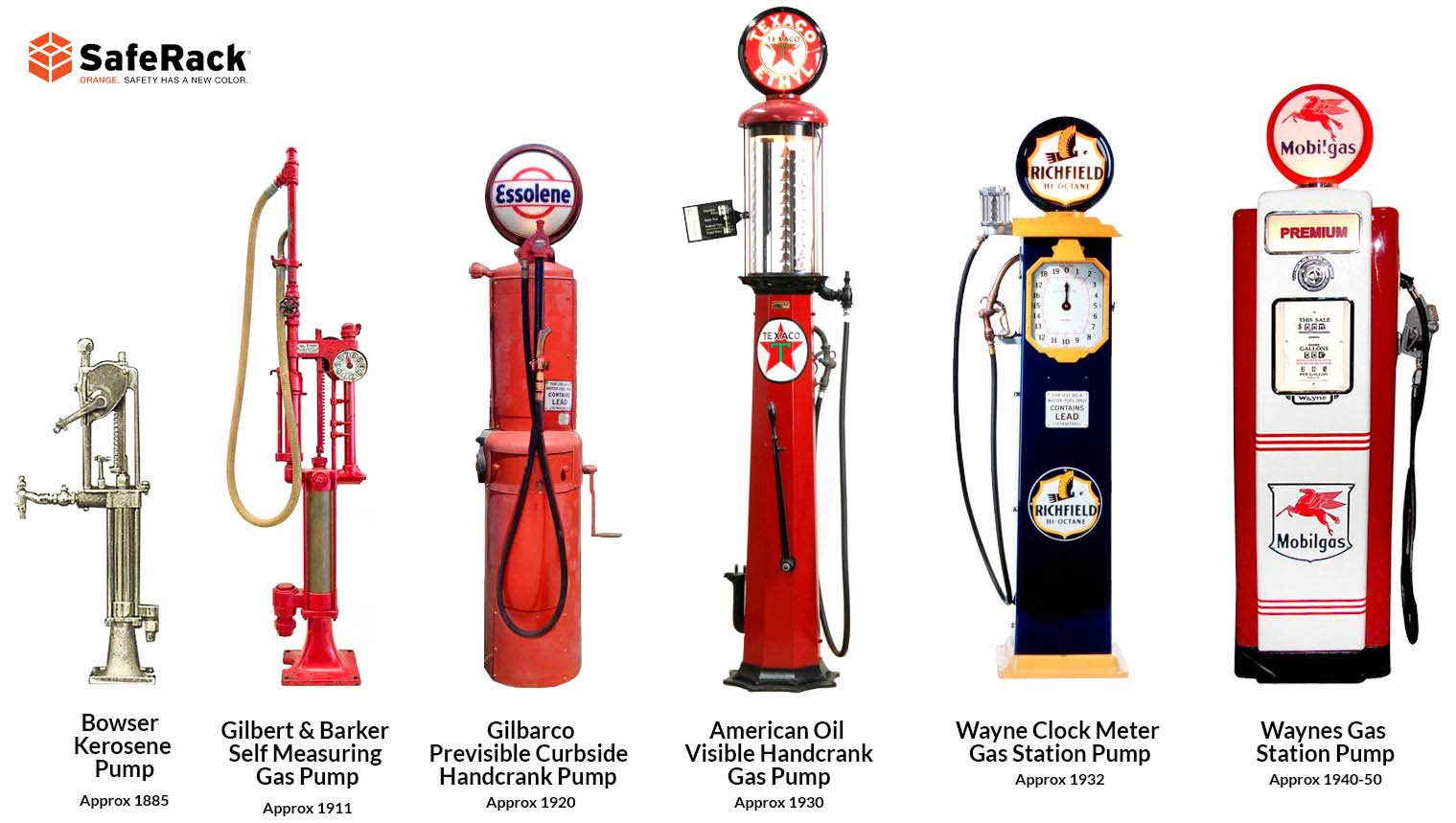
The first gas pump was actually called a ‘kerosene pump’ and was invented in 1885 in Indiana by S.F. Bowser. Fuel was kept in large wooden barrels, and in the early days of the horseless carriage, you’d need to drive to the nearest general store to fill your gas tank, according to the El Segundo, Calif.-based Automobile Driving Museum. In the next decade, when the automobile grew in numbers within major metropolitan cities, Bowser added a hose to the pump he had invented; the general store clerk who dispensed the fuel would count the number of cranks they made with the handle – one crank dispensed one gallon – and he’d have to put his ear to the tank as it filled in order to determine when it was completely filled. By 1895, a clockface was added to the pump, which indicated how much fuel had been dispensed.

Fuel you can see

In 1915, the first visible gas pump design made its debut, featuring a large glass cylinder atop the pump, which moved gas from the storage tank into the cylinder. These pumps were used until the advent of electric gas pumps decades later.

A selection of gas pumps throughout the past century.

Gas pumps throughout the past century

A selection of gas pumps throughout the past century. (Image courtesy of Saferack)

The aesthetic of the visible gas pump changed with the arrival of the Jazz Age in the 1920s and the Art Deco movement. The pumps began to be painted in bright, vibrant colors. By this time, as more cars were produced and hit America’s roads, the pumps, which usually could be found curbside, were moved farther away from the street and kept in storage pumps underground. By the 1930s, the visible pump was being made smaller in size, with a small turbine added to its interior. And by the conclusion of the decade, the electric pump made fueling one’s car a quick, easy process and also eliminated the need for the visible gas pump altogether.

Over the years, the visible cylinder was removed from atop the pump but replaced now by globes that also doubled as ad space. These remained in place until the 1940s. The decade of the 1950s gave rise to the box-style of electronic gas pumps, according to Saferack, a company that sells truck and railcar loading platform systems.

“The hardware was shorter, squarer in shape, and featured unpainted, stainless-steel surfaces,” according to Saferack’s site. “The top part of the pump was often larger, setting atop a narrower, tapering base. The units were often set up adjacent to one another in long rows, providing different types of fuels and services.”

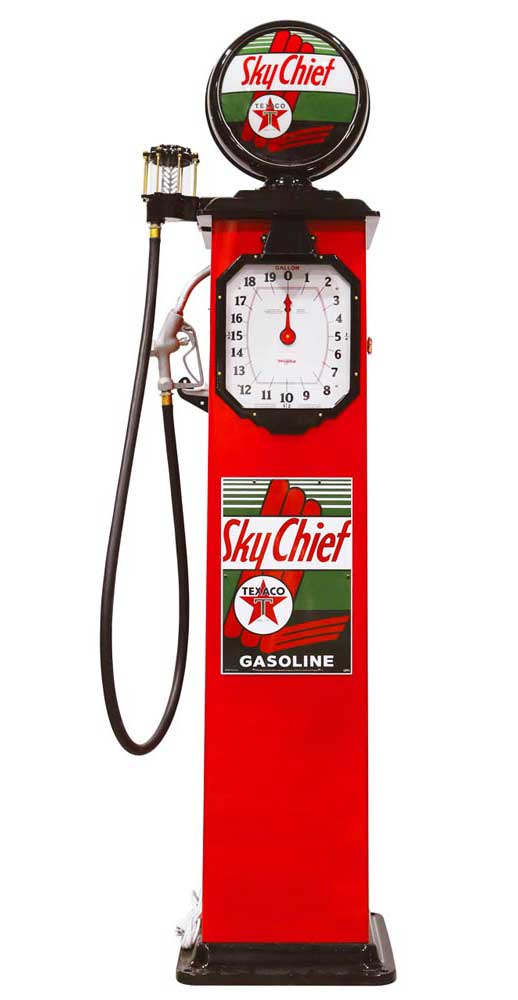
This Wayne 861 clockface pump, a reproduction of a 1932 model, sells for $2,300 at online vendor Gas Pump Heaven.

This Wayne 861 clockface pump

This Wayne 861 clockface pump, a reproduction of a 1932 model, sells for $2,300 at online vendor Gas Pump Heaven.( Image courtesy of www.gaspumpheaven.com. )

Vintage oil cans are affordable collectibles

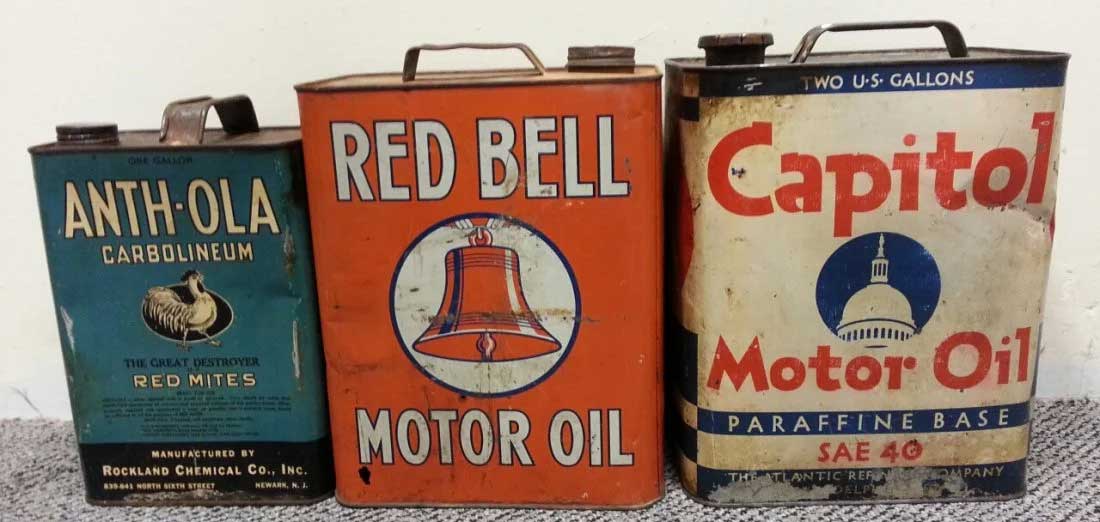
Vintage oil cans are affordable collectibles for those just beginning their petroliana collection. (Image courtesy of Rockabilly Auctions)

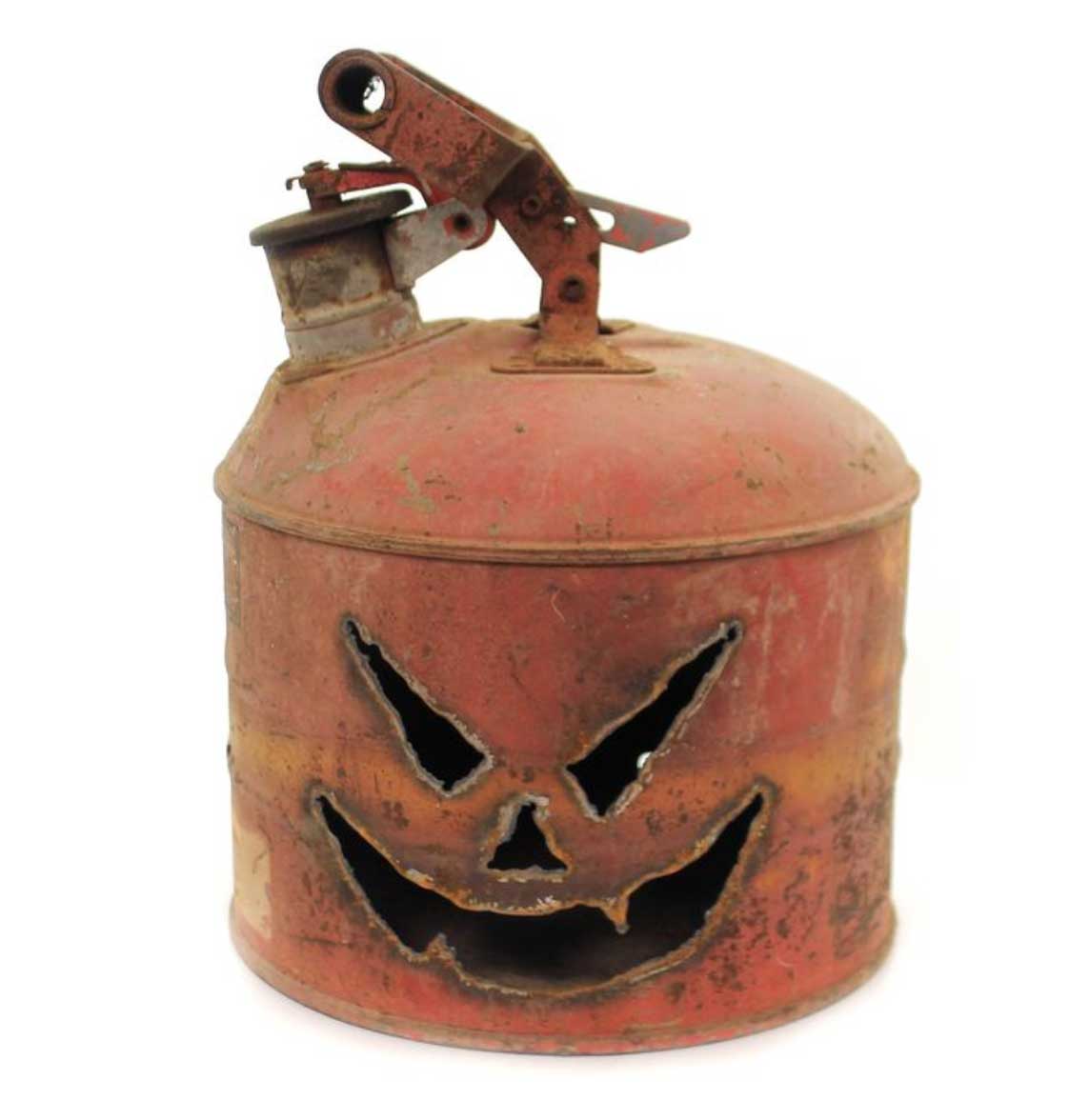
Repurposing a gas can as a jack-o-lantern is a popular new trend. Find a how-to videeo on YouTube. (Image courtesy of Pinterest)

Repurposing a gas can as a jack-o-lantern

Repurposing a gas can as a jack-o-lantern is a popular new trend. Find a how-to videeo on YouTube. (Image courtesy of Pinterest)

Collecting is a gas

Several locations around the country claim to be the site of the first dedicated gasoline station (known in their early days as “filling stations”), including St. Louis, MO. It can generally be agreed, however, gas ceased to be sold in general stores around the turn of the century.

Don Sherwood, longtime collector of vintage gas pumps and other related memorabilia, offers as a resource his virtual gas station museum, www.vintagegas.com, which features images of some of the more impressive pieces in Sherwood’s collection. His collection of fuel-related collectibles often referred to as petroliana, also includes oil cans, metal advertising signs, and advertising globes, in addition to gas pumps themselves.

“’I get phone calls and emails all the time from people wanting to know how much their grandfather’s TEXACO pump is worth from 1935,’” Sherwood tells the Automobile Driving Museum. “But, as he describes, it’s difficult to tell because ‘TEXACO never made a pump. Most pumps were painted red by a manufacturer and then labeled by the pump distributor with the brand of gasoline it served. The retailer who purchased the pump may switch gasoline brands over the years, in which case it would be repainted and a new globe would have been installed on top.’”

Corona #3

“American Pickers”

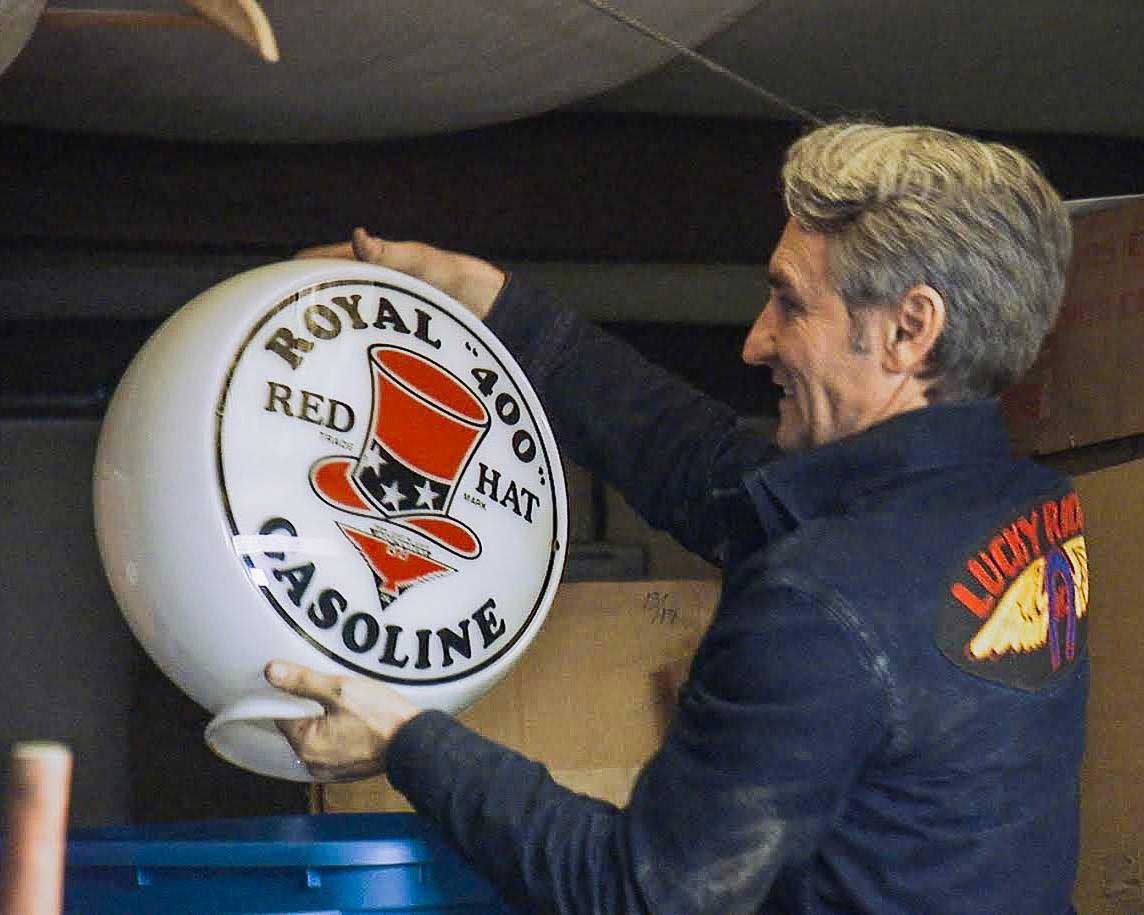
 “American Pickers” star Mike Wolfe removes a glass globe from atop a vintage gas pump. “Glass gas globes are a killer piece of petroliana history,” Wolfe gushed in advance of a 2019 episode on petroliana and other related collectibles. (Image courtesy of Facebook)

Sherwood says he can’t name his favorite piece in his expansive collection, adding that every pump he owns is unique and a reminder of a simpler time.

“I don’t have a lot of money, but every piece I have I bought because I loved it,” Sherwood told the Automobile Driving Museum. “The hobby is alive and well.”

Wash your windshield, sir?

Unlike the gas pumps themselves, the features of vintage filling stations have mostly been lost to time. The first drive-in station, opened in Pittsburgh in 1913, and until as recently as the fuel crisis of the 1970s, many offered either minimum service – an attendant operates the gas pump for the motorist – or full service – in addition to pumping the customer’s gas, wipes windshields and windows, and checks the car’s oil level and tire pressure. And, unlike modern gas stations, these vintage filling stations didn’t include expansive convenience stores with every candy bar and snack imaginable. These quick stops were all about servicing your vehicle and getting back on the road, according to Greg Zyla of More Content Now.

IBM’s Selecric electric typewriter in 1961

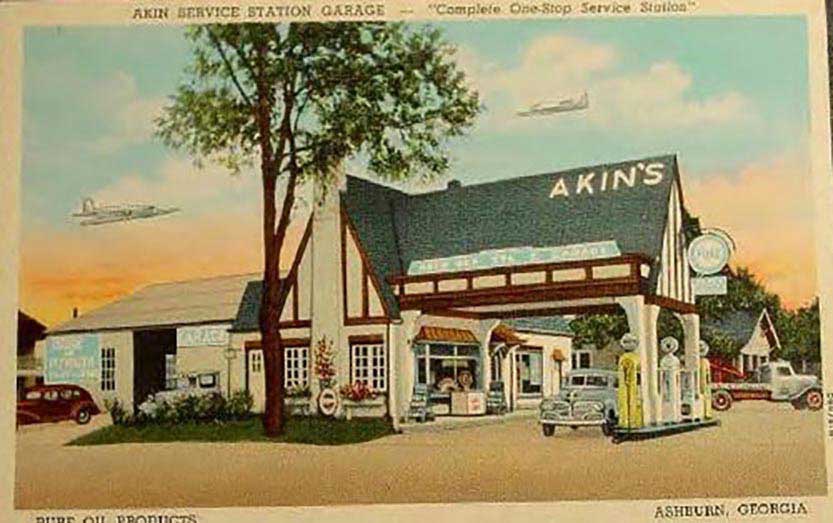
Akin’s Filling Station

An old postcard depicts a roadside Akin’s Filling Station. (Image courtesy of Pinterest)

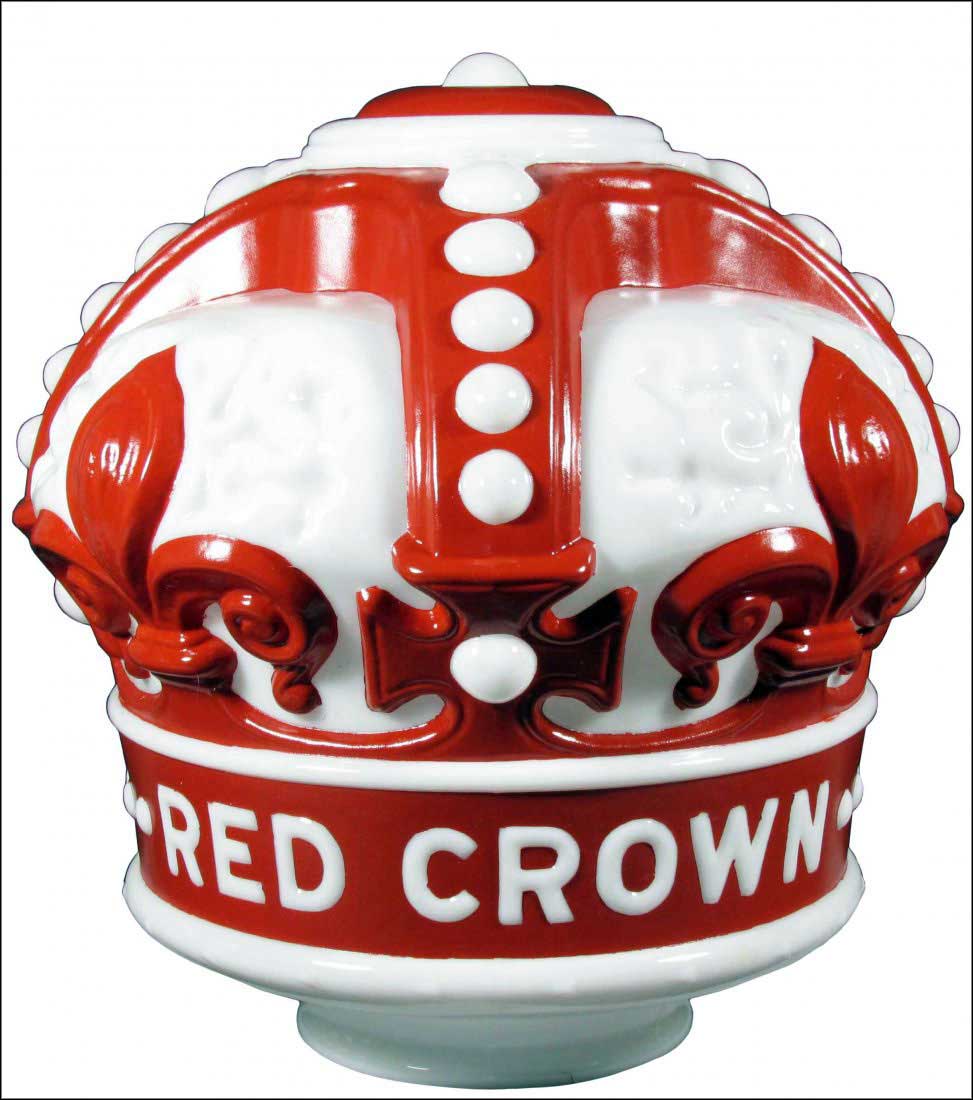
Circa 1940s Indiana Standard Red Crown gasoline globe.

Circa 1940s Indiana Standard Red Crown gasoline globe.

Circa 1940s Indiana Standard Red Crown gasoline globe.
(Image courtesy of Shorpy)

“Unlike today’s gas station stores that are mostly eateries, the old-time gas station was a real service center offering specialized auto repair, tires, oil, batteries, and more,” Zyla wrote in a 2019 column for The Palm Beach Post. “The only things in common with today’s gas stations were restrooms and, at best, a small selection of gum, candy bars, crackers, and potato chips. Other than that, it was servicing your car and selling gasoline as the primary business plan.”

Though such service stations are extremely rare, they haven’t completely vanished from the American roadside. One still in operation in Olmos Park, TX, has been owned and operated by Greek immigrant Gus Velesiotis for nearly 30 years.

“A lot of people, they are busy. They have no time to check the oil. They have no time to check their tires,” Velesiotis told KSAT.com in 2018, with employee Joey Perez adding, “In the full service, we include the gasoline. We will check the tires for you. We will check all the fluids under the hood in order to be safe, clean the windshields as well -- whatever our customers need.”

America goes highway bound

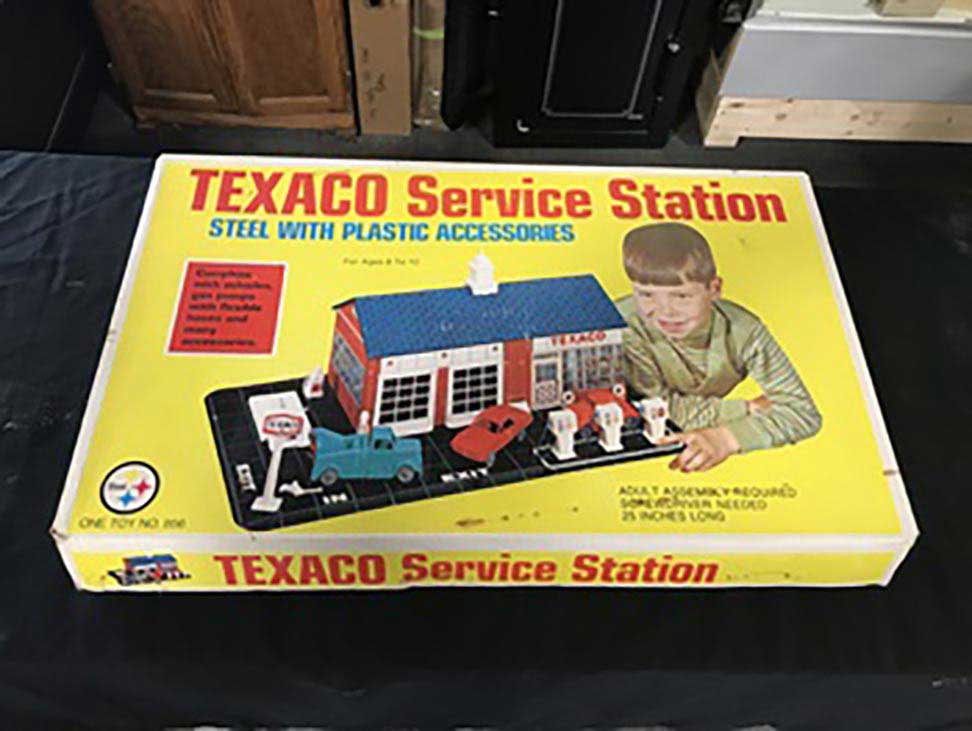
In postwar America, gas stations were big business, especially with the advent of the Interstate Highway System in 1956, connecting communities across the nation with greater speed and ease of transport. For the next two decades, the roads hummed with vehicles that zipped along thanks to the services offered and products sold at gas stations. Gas companies, including TEXACO, even took up the mantle of merchandising, producing gas station play sets for children. Those playsets remain available on online sites such as eBay and Etsy, with prices ranging from $20 or $30 to several hundred dollars.

By the time movie audiences howled at Steve Martin’s antics as a hapless service station employee in the 1978 comedy film “The Jerk,” the energy crisis of 1973 led to the shuttering of many full-service fuel stations; even more would close during the energy shortage of 1979. In less than a decade, Martin’s character’s job would become all but extinct. Despite this, the demand for petroliana remains high among collectors.

“Collecting petroliana is not only a hobby. It’s also a great way to invest in a piece of history,” according to the website for Richmond Auctions. “The value of petroliana has been steadily increasing over the years, and it is not uncommon for a rare or unique piece to fetch a high price at auction.”

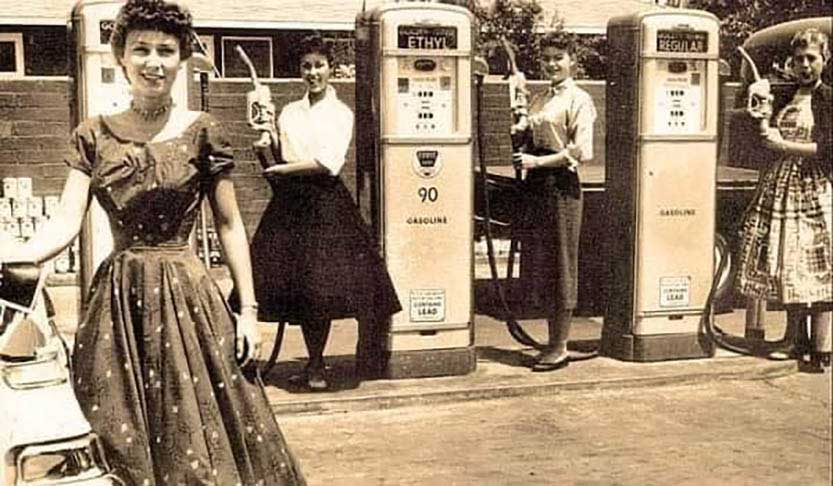
What better way to advertise your filling station than with lovely ladies? “Gas girls” pose at the pump in this midcentury photo.

“Gas girls”

What better way to advertise your filling station than with lovely ladies? “Gas girls” pose at the pump in this midcentury photo. (Image courtesy of Facebook)

A toy service station, released by TEXICO in 1960.

A toy service station

A toy service station, released by TEXICO in 1960. (Image courtesy of Collectors Weekly)

Just Your Type – Typewriters find second life as beloved antiques

Just Your Type – Typewriters find second life as beloved antiques

(Image courtesy of Patti Klinge)

Apr 2023

Cover Story

​Just Your Type

Typewriters find second life as beloved antiques

by Corbin Crable

Hear that clickety-clack as the keys pound away. Feel the smooth keys under your fingers as they fly across the keyboard. Marvel at another line of text created.

From offices to homes, they revolutionized how we work, document, tell stories and communicate. Without them, we wouldn’t have computers and other technologies. And they can easily be found for sale in antique stores. One beloved celebrity even has an extensive collection of them. The typewriter – an invention we all use and likely take for granted.

Have a ball

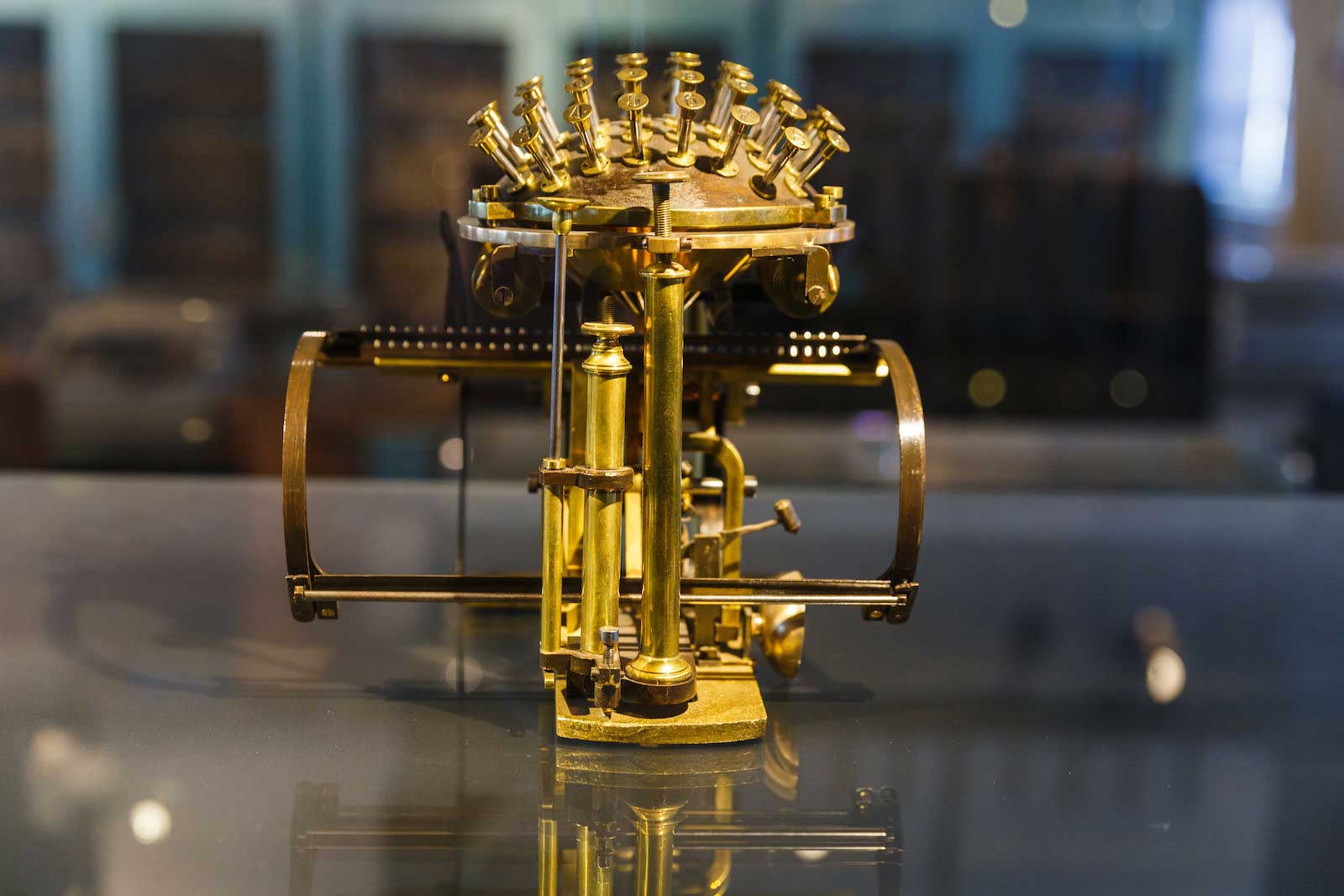
The precursor to the modern typewriter looked like a pincushion. Called a “writing ball” and invented in 1865, it featured 52 keys arranged atop a large brass cylinder (later, a hemisphere), according to Xavier University. Though initially popular in Europe, it wasn’t exactly universally loved – German philosopher and poet Friedrich Nietzsche received a writing ball for his birthday and “hated it,” according to Richard Polt, author of “The Typewriter Revolution” and creator of The Classic Typewriter Page, a blog on the history of typewriters (Felt’s blog also includes articles on the parts, care, and collecting of antique typewriters).

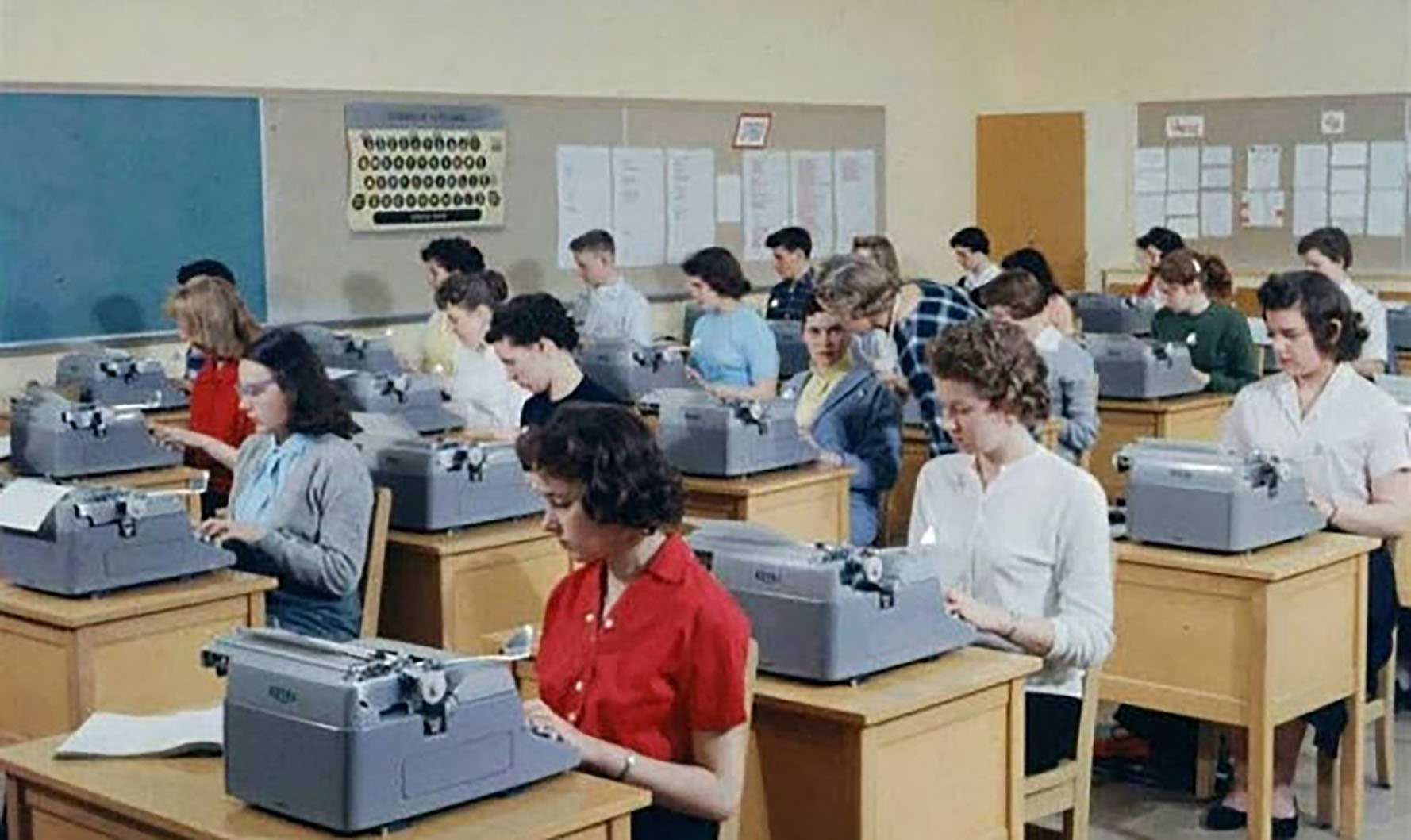
Keyboarding classes were offered at most public school

Keyboarding classes were offered at most public schools

Keyboarding classes were offered at most public schools in the U.S. throughout the mid-20th century. (Image courtesy of Vintage News Daily)

Malling-Hansen writing ball

Malling-Hansen writing ball

German philosopher Friedrich Nietzsche typed an estimated 60 documents on his Malling-Hansen writing ball. (Image courtesy of Pinterest)

For the next decade, the writing ball went through some renovations, and the typewriter as we know it today was released for sale to the public in 1874; the QWERTY keyboard layout was invented specifically for typewriters as well. The layout, a reference to the first six keys on the top-left row of the keyboard, was developed by a Wisconsin newspaper editor, Christopher Sholes. The layout was sold to E. Remington & Sons (yes, the gun manufacturer), which manufactured the Sholes & Glidden, first commercial typewriter.

“The Sholes & Glidden, like many early typewriters, is an understroke or “blind” writer: the typebars are arranged in a circular basket under the platen (the printing surface) and type on the bottom of the platen,” Polt explains. “This means that the typist (confusingly called a “typewriter” herself in the early days) has to lift up the carriage to see her work. Another example of an understroke typebar machine is the Caligraph of 1880, the second typewriter to appear on the American market.”

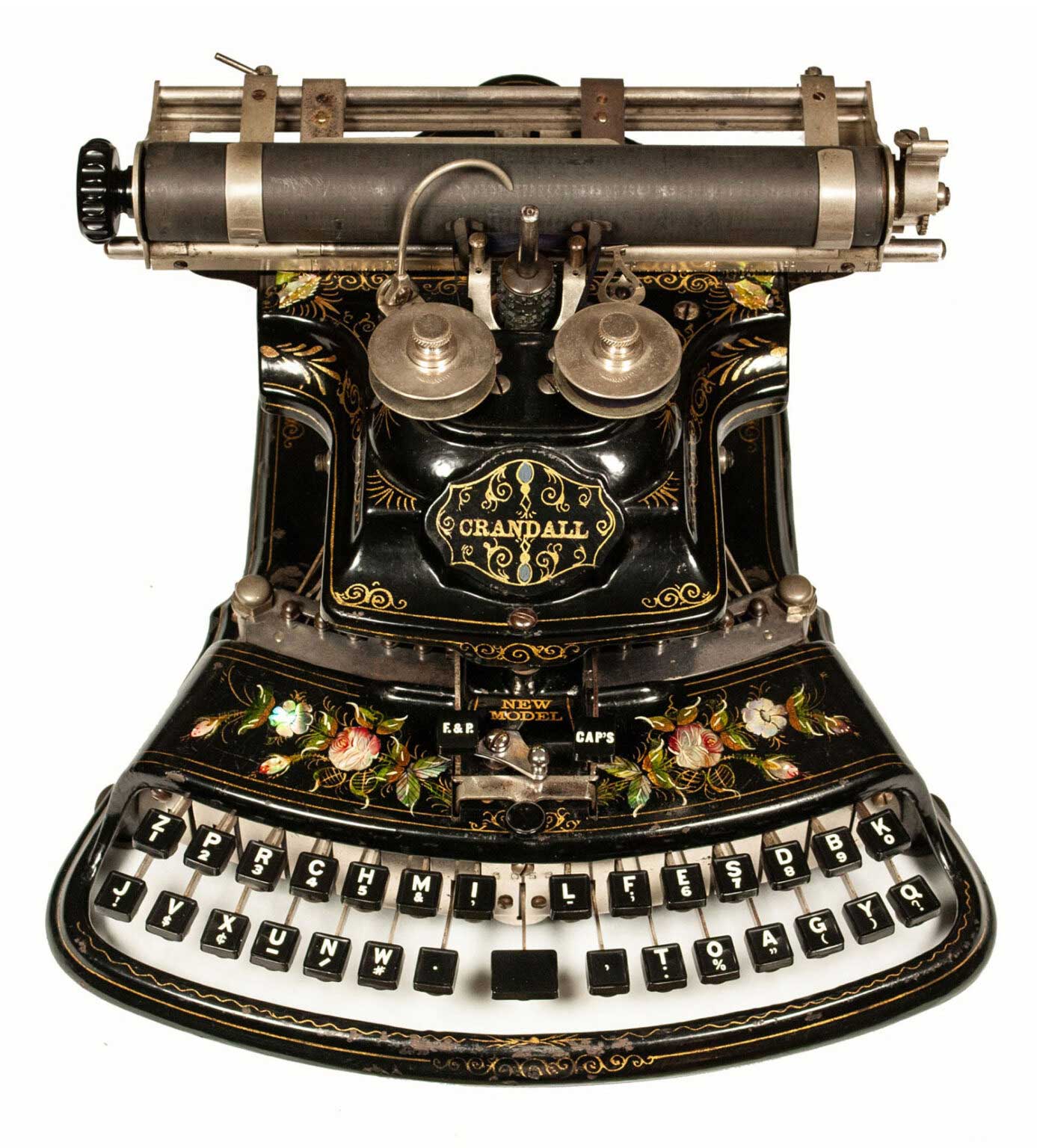
A Crandall New Model typewriter from 1887

A Crandall New Model typewriter from 1887

A Crandall New Model typewriter from 1887. “This three-bank machine with straight keyboard and a type cylinder located directly in front of the platen, with six rows of letters, is supposed to have been produced in fairly large quantities,” typewriter historian and collector Richard Polt writes. (Image courtesy of The National Museum of American History)

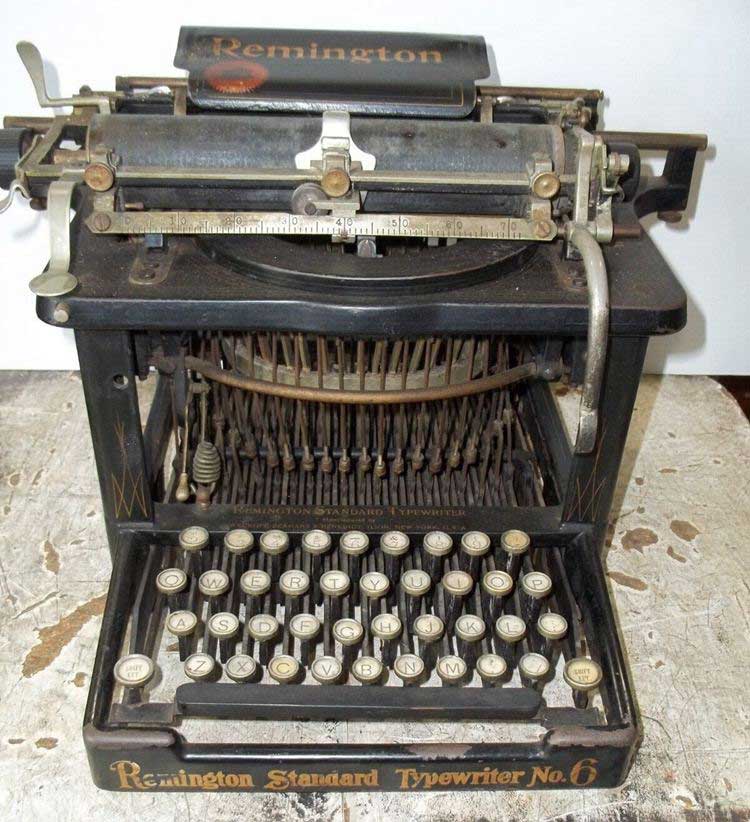
The 1895 Remington Standard Typewriter No. 6

The 1895 Remington Standard Typewriter No. 6

The 1895 Remington Standard Typewriter No. 6, “is lovely, helpful, and exudes vintage typewriter-style wherever it goes. In addition, it serves as a symbol of progress,” according to jacquelinestallone.com.
(Image courtesy of Pinterest)

Say hello to the Underwood

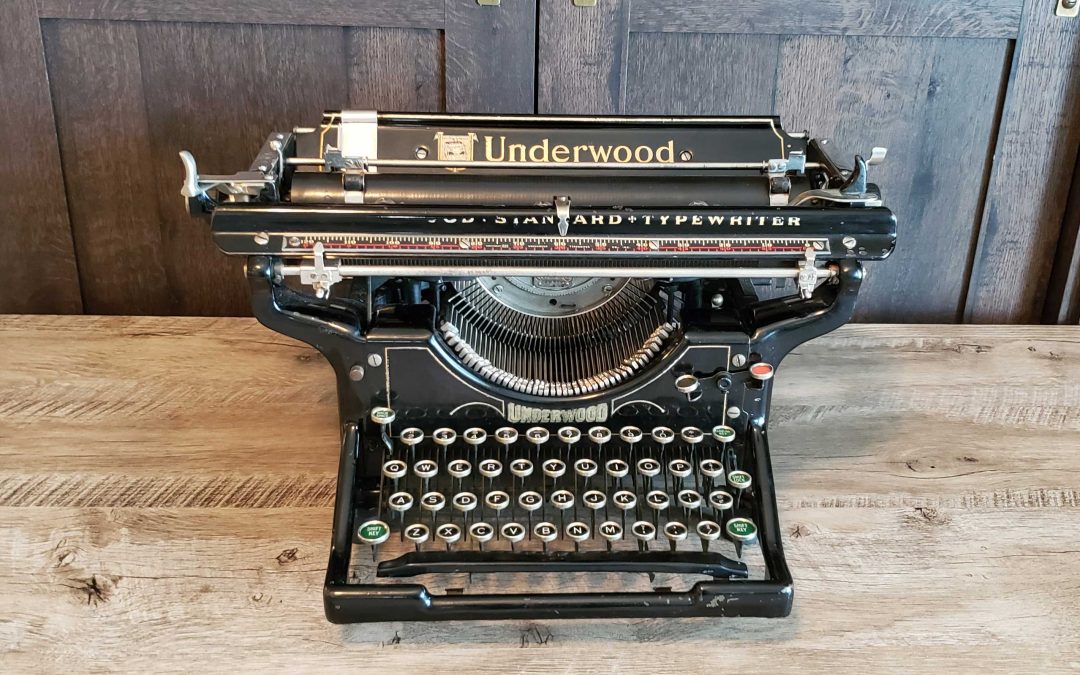
One of the more common typewriters that collectors may find in antique stores is the Underwood, Polt says.

“With the Underwood of 1895, this style of typewriter began to gain ascendancy. The most popular model of early Underwoods, the #5, was produced by the millions,” according to Polt. “By the 1920s, virtually all typewriters were ‘look-alikes’: frontstroke, QWERTY, typebar machines printing through a ribbon, using one shift key and four banks of keys. (Some diehards lingered on. The huge Burroughs Moon-Hopkins typewriter and accounting machine was a blind writer that was manufactured, amazingly enough, until the late 1940s).”

Most mass-produced typewriter models at that time sold for about $100, or much more than the value of a 21st-century computer, when adjusted for inflation.

Another early kind of typewriter – though not nearly as popular as the Sholes & Glidden – was the index typewriter, which entered the market in the early 1880s, just a few years after the Sholes & Glidden. Using a pointer or stylus to choose a letter from an index, then printed by pressing down on a lever, the index typewriter was only popular among those who only occasionally needed to produce typed correspondence. They were cost-effective, too, sold for 1/40th the cost of a Remington. But as keyboard typewriters became more popular, the index typewriter faded into obscurity.


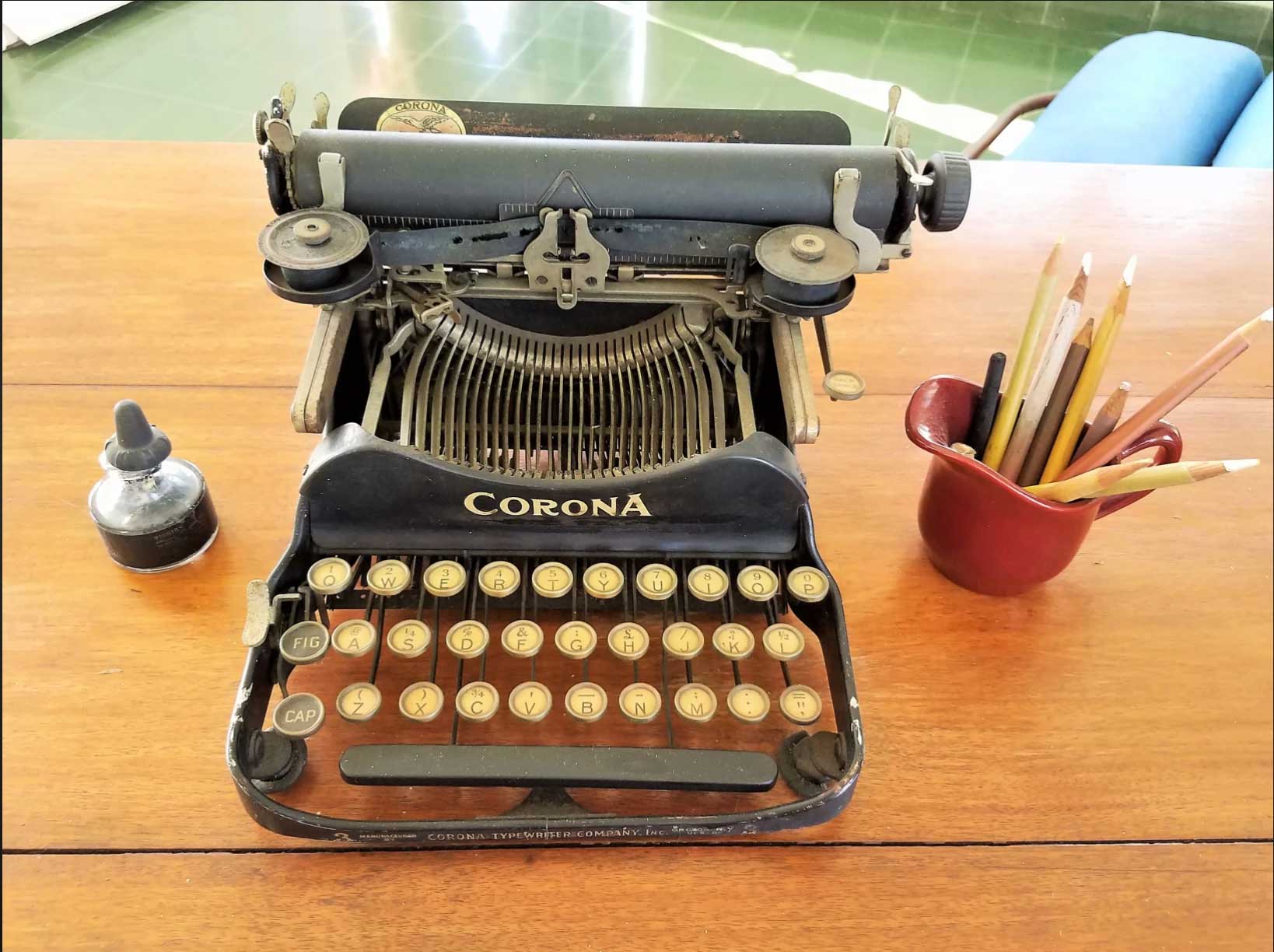
Corona #3

Corona #3

Corona #3 typewriter Ernest Hemingway received as a gift on his 22nd birthday in 1921. (Image courtesy of salsaworldtraver.com)

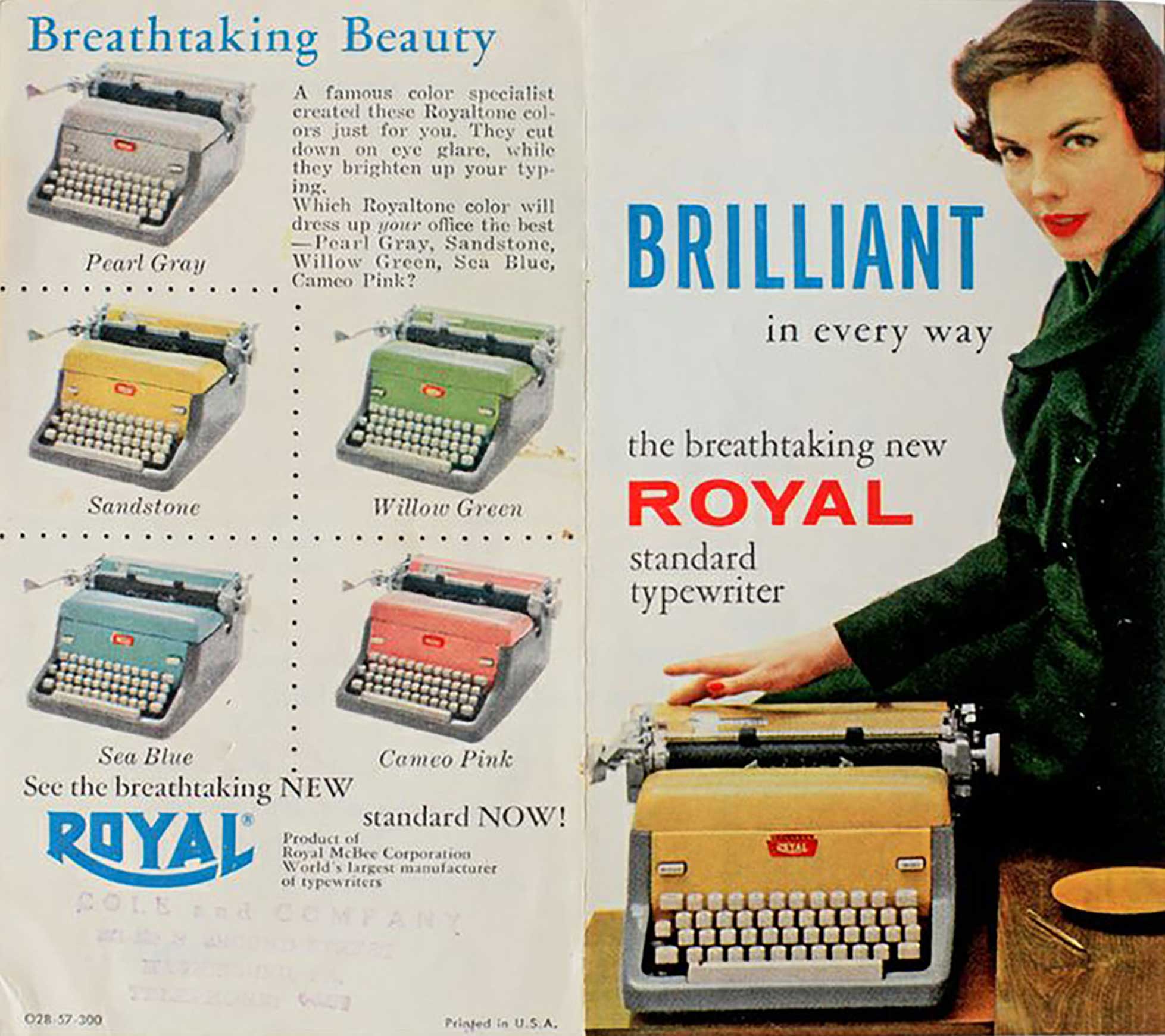
Royal standard typewriter

Royal standard typewriter

A 1956 print ad for the Royal standard typewriter, which was released in a variety of colors. (Image courtesy of Pinterest)

That’s how they roll

By the early 20th century, the standard design of the typewriter’s platen, or roller, was mounted horizontally on a carriage that moved to the left after the operator typed each character. On the left was the carriage-return lever, pressed to the right to bring the carriage back to its starting position. The platen would then rotate and the paper would advance. While typing, the typebars would strike upward against the paper, according to author Martin Lyons and Rita Marquilhaus’ 2017 book “Approaches to the History of Written Culture: A Word Inscribed.”

Generations after Thomas Edison’s invention of the Universal Stock Ticker, the precursor to the electric typewriter that remotely printed letters on a thin stream of paper based on a typewriter at the other end of a telegraph line, a Kansas City man invented the first power-operated typewriter in 1914. The man, James Field Smathers, turned over his invention to the Northeast Electric Co. to refine it. When Northeast Electric was purchased by Delco Electronics Corp. in the late 1920s, the resulting company was then bought by IBM, which launched its own electric typewriter, building on Smathers’ invention over the next three decades.

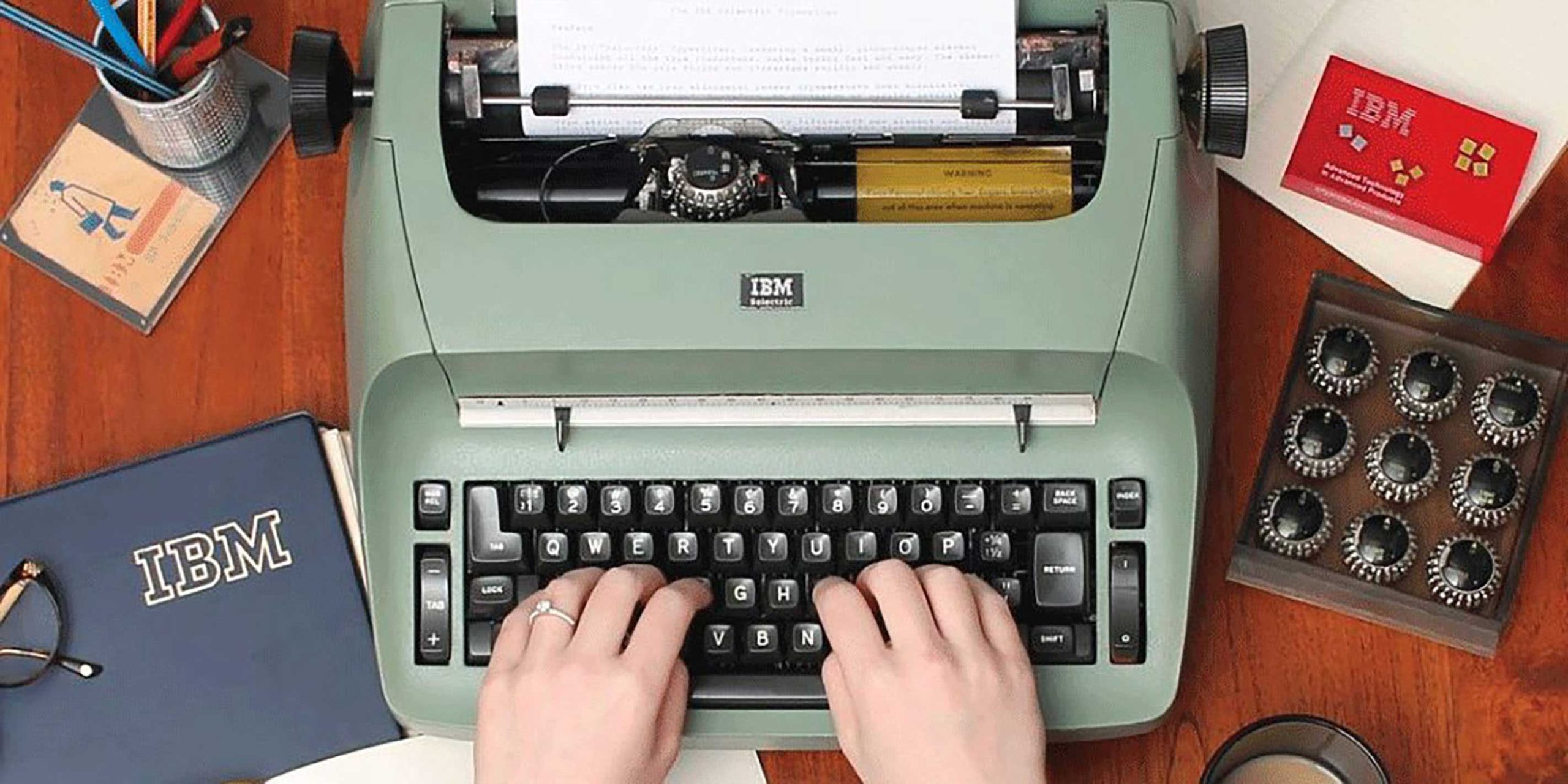
IBM’s Selectric Typewriter, which made its debut in 1961, introduced a small metal “typeball” with reverse-image letters that, thanks to a motor and intricate system of pulleys and latches, rotated the ball into position and struck it against the ribbon and platen, according to the 2020 article “A Different Type of Dance Move” on the IBM website’s official blog. Many of the electronic typewriters of later decades replaced the typeball with a daisy wheel made of metal or plastic.

Electronic typewriters flooded offices and clerical staff members’ desks until the early 1990s. In 1991, the year the Soviet Union fell, so too did IBM’s typewriter division, sold off to Lexmark.

And, here in the 21st century, though the typewriter is more commonly found in antique stores, some of its components – most notably, the keyboard and its layout – remain a critical part of the devices we now use, from computers to cell phones.

IBM’s Selecric electric typewriter in 1961

IBM’s Selecric electric typewriter in 1961

The introduction of IBM’s Selecric electric typewriter in 1961 changed the industry forever. (Image courtesy of Twitter)

typewriter collection of Tom Hanks

Typewriter Collection of Tom Hanks

Actor Tom Hanks poses with a few of the hundreds of the typewriters in his collection. (Image courtesy of Getty)

Engineered to take a beating

Those who appreciate and collect typewriters are numerous, and they even include celebrities like singer and actress Lady Gaga; she wrote her 2016 song “Perfect Illusion” on an Olivetti Littera 32, the first of which was introduced in 1963.

The most prominent celebrity typewriter collector, however, is actor Tom Hanks. The first typewriter in his now-expansive collection was a Hermes 2000. Hanks has been collecting typewriters since the age of 19.

Hanks, in a 2013 column published in The New York Times, sang the praises of the typewriter, both a tool of beauty and a carefully crafted machine designed to outlast the technologies that replaced it in the world’s offices, homes, and studies.

“There is no reason to own hundreds of old typewriters other than the sin of misguided avarice (guilty!). Most can be had for 50 bucks unless, say, Hemingway or Woody Allen typed on them,” Hanks writes. “Just one will last generations — if it is cleaned and oiled every once in a while. The ribbons are easy to find on eBay. Even some typewriters made as late as the 1970s can be passed on to your grandkids or encased in the garage until the next millennium when an archaeologist could dig them up, hose them down and dip them in oil. A ribbon can be re-inked in the year 3013 and a typed letter could be sent off that very day, provided the typewriter hasn’t outlived the production of paper.”

Hanks’ sweeping, exquisitely-written love letter to typewriters makes no secret of his affinity for those communication tools of yesteryear as lions of longevity.

“The machine, too, may last as long as the rocks of Stonehenge. Typewriters are dense things made of steel and were engineered to take a beating, which they do,” Hanks continues. “My dad’s Underwood, bought used just after the war for his single year at U.S.C., had some keys so worn out by his punishing fingers that they were misshapen and blank. The S key was a mere nib. I sent it to a shop for what was meant to be only a cleaning, but it came back with all the keys replaced. So long, Dad, and curse you, industrious typewriter serviceperson.”